
Table of Contents
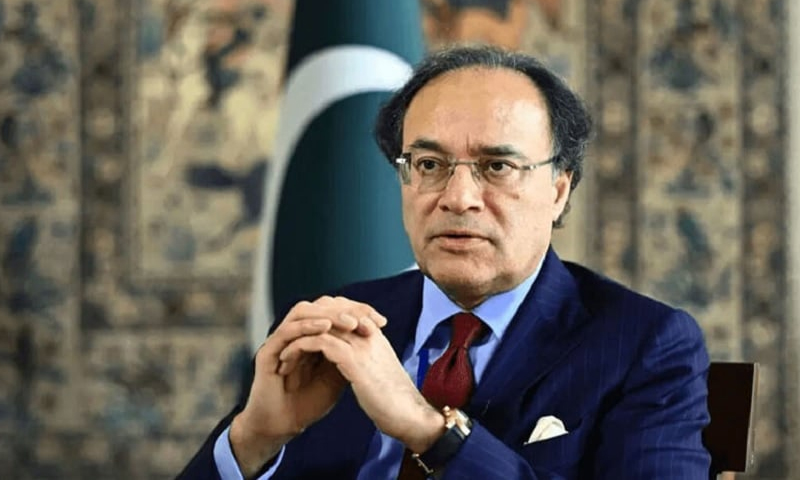
Finance Minister Muhammad Aurangzeb confirms Saudi Arabia has extended a $3 billion rollover as Pakistan maintains confidence in its external accounts despite Washington’s refusal to provide a proposed $10 billion liquidity support package.
Pakistan has secured a $3 billion rollover from Saudi Arabia after the United States declined a request for a proposed $10 billion Liquidity Support Programme, Finance Minister Muhammad Aurangzeb told a Senate committee.
Speaking during a meeting of the Senate Standing Committee on Finance at Parliament House on Wednesday, Aurangzeb said Pakistan’s external accounts remained in a comfortable position, even without additional financial assistance from Washington.
“With or without $10 billion from the USA, we are in a comfortable position with regard to our external accounts,” the finance minister said.
He clarified that the proposed US assistance was neither a credit line nor a guaranteed facility. Instead, Pakistan had requested support under a liquidity programme, which would have been beneficial if approved.
Aurangzeb also confirmed that Saudi Arabia had extended the $3 billion rollover but declined to disclose its duration.
Pakistan Faces $21.5 Billion External Repayments
Federal Finance Secretary Imdad Ullah Bosal informed the committee that Pakistan’s gross external financing repayments stood at $21.5 billion, including $17 billion in principal payments and $4 billion in interest.
He said approximately $7.3 billion would be covered through bilateral rollovers. Sources indicated that the amount included $4 billion in Chinese SAFE deposits, $3 billion from Saudi Arabia and $300 million from Kuwait.
According to the briefing, Pakistan had already repaid $5 billion during the first five months of the current fiscal year, while another $6 billion is expected to be repaid over the remaining seven months.
The government is also considering avoiding expensive commercial refinancing, which accounts for approximately $3.2 billion.
Public Debt Projected at Rs86.7 Trillion
The finance minister presented the Annual Borrowing Plan, which projects Pakistan’s public debt at Rs86.7 trillion, with additional borrowing of Rs6.86 trillion and gross financing requirements of Rs28.65 trillion.
The committee was informed that public debt had declined from 75.1% of GDP in FY2023 to 68.6% in FY2026.
Officials also said Pakistan expected to comfortably meet approximately $5 billion in debt-servicing obligations over the next six months while maintaining foreign exchange reserves of $21.5 billion.
Senate Chairman Raises Foreign Exchange Restrictions
During the meeting, Senator Saleem Mandviwalla criticized difficulties faced by parliamentarians seeking foreign currency for personal travel.
He directed the State Bank of Pakistan representative to convey his concerns to the SBP governor and review requirements involving Politically Exposed Persons (PEPs), including mandatory personal appearances before exchange companies.
The government says it remains focused on economic stability, reducing short-term debt and improving Pakistan’s credit rating to secure cheaper international financing.
