
Table of Contents
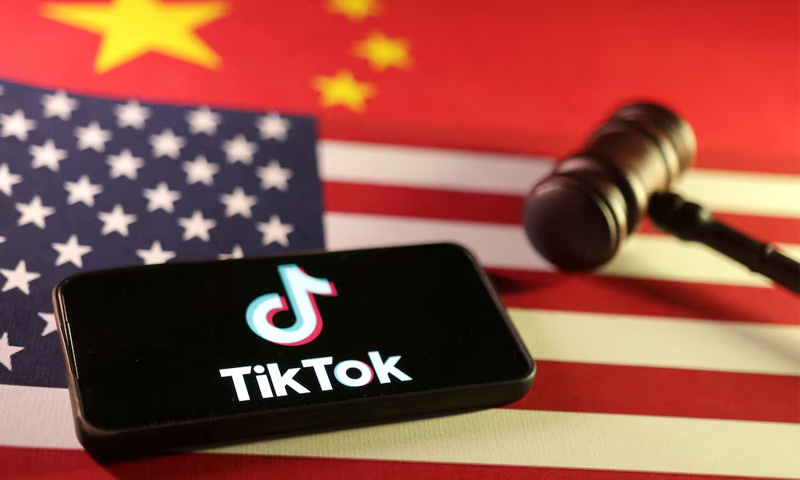
The US Supreme Court held oral arguments in a case that could have significant consequences for TikTok, as justices examined the legality of a law requiring its parent company, ByteDance, to divest its stake in the popular social media platform. This law, passed in April, has raised concerns about national security and the potential influence of the Chinese government over the app. TikTok’s legal team is challenging the law, arguing that it infringes on free speech protections and that the concerns about the app’s operations are overblown.
As the clock ticks toward a January 19 deadline for ByteDance to sell its US operations or face a nationwide ban, the court’s decision could have far-reaching implications not only for the future of TikTok but also for broader issues related to foreign influence, digital privacy, and the protection of free speech online.
The Legal Landscape: National Security vs. Free Speech
At the core of the debate is the US government’s concern that TikTok, due to its ownership by ByteDance, could potentially be manipulated by the Chinese government to collect personal data on American users or promote content that serves Beijing’s interests. This concern has been voiced by both former President Donald Trump and current President Joe Biden, who have warned of the potential risks posed by TikTok in terms of national security.
In response to these fears, the law passed in April demands that ByteDance sell off its US-based assets by January 19. If ByteDance fails to comply with the divestiture requirement, a nationwide ban on TikTok would be enacted. This measure was introduced after extensive discussions regarding the platform’s data privacy practices and its connection to the Chinese government, though critics argue that the law may be too broad and lacks sufficient evidence to justify such extreme actions.
TikTok, however, has strongly rejected these claims. In its defense, the platform argues that concerns about Chinese influence over its operations are unsubstantiated, pointing out that its business is largely independent and that data privacy is a core priority for the company. TikTok’s representatives also emphasize that the platform’s content—ranging from entertainment to educational videos—demonstrates its neutrality and its focus on user engagement rather than political agendas.
While the legal case centers around national security, another critical issue has emerged during the court proceedings: the First Amendment and free speech. Defenders of TikTok, particularly the content creators who rely on the platform to reach millions of followers, argue that the law threatens their ability to express themselves and engage with their audience. These creators, along with civil rights organizations, fear that the ban could set a dangerous precedent for government interference in digital platforms and online speech.
First Amendment Concerns: The Risk of Censorship
One of the key issues raised by TikTok’s legal team is the First Amendment, which guarantees freedom of speech. If the law is upheld and TikTok is forced to divest its operations or face a ban, defenders argue that it could set a chilling precedent for the regulation of other social media platforms based on national security concerns.
The impact of such a ruling would be particularly severe for TikTok’s large community of content creators. Many of these individuals, who have built careers and established substantial followings through their videos, view TikTok as a vital outlet for creativity and expression. A nationwide ban or forced divestiture could cause irreparable harm to these creators’ livelihoods, while also disrupting a platform that has become an essential tool for communication and cultural exchange.
For these reasons, the case has attracted widespread attention not only for its implications on national security but also for its potential to reshape the relationship between government authority and free speech in the digital age. If TikTok is forced to comply with the divestiture requirement, it could signal to other countries that similar laws targeting foreign-owned tech companies are permissible, which might lead to increased censorship or restrictions on digital platforms.
A Narrow Window for Resolution
The court’s decision is expected to come soon, potentially before January 19, when the law mandates ByteDance’s divestiture or TikTok’s ban. However, the broader issues of free speech and foreign influence may take months, if not years, to fully resolve in the legal system.
In the meantime, TikTok’s users, content creators, and stakeholders will be closely watching the Supreme Court’s ruling, which will determine whether the app can continue operating in the United States without the looming threat of a forced sale or shutdown.
