
Table of Contents
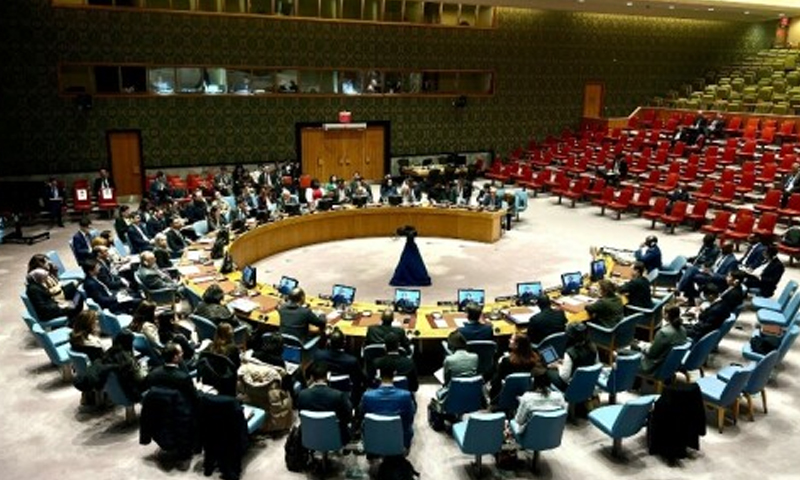
In a major diplomatic development, Pakistan has been appointed Vice-Chair of the United Nations Security Council’s (UNSC) Counter-Terrorism Committee (CTC), according to an official statement issued by Pakistan’s Permanent Mission to the UN on Wednesday.
The CTC is responsible for monitoring the implementation of UN Security Council Resolution 1373 (2001), a key international framework aimed at strengthening global counter-terrorism efforts following the 9/11 attacks. This resolution obliges member states to take a range of measures to combat terrorism, including criminalizing terrorist financing, denying safe haven to terrorists, and enhancing international cooperation.
Pakistan’s appointment to this role is being hailed as a recognition of the country’s continued contributions to international peace, security, and its active role within the United Nations system.
Acknowledging Pakistan’s Global Engagement
Pakistan has long been an active participant in the UN system, particularly in peacekeeping operations. As one of the top troop-contributing countries to UN peacekeeping missions, Pakistan has helped maintain stability in conflict zones across Africa, Asia, and beyond.
The statement from Pakistan’s mission emphasized this legacy, saying:
“These appointments represent an acknowledgement of Pakistan’s active engagement with the United Nations system, including its constructive role as an elected member of the Security Council.”
Islamabad was elected to the Security Council in June 2024, taking over the Asian seat from Japan, and is now playing an increasingly visible role in multilateral diplomacy.
A Country Shaped by Terrorism
Pakistan’s appointment is particularly symbolic, given its long-standing battle with terrorism. The country has suffered over 80,000 casualties in terrorist attacks over the past two decades, a trauma that has profoundly shaped its security policies and international outlook.
Islamabad has consistently pushed the international community to take a comprehensive approach to counter-terrorism, one that includes addressing state sponsorship of terrorism. It has repeatedly accused India of backing terrorist groups such as the Tehreek-e-Taliban Pakistan (TTP) and the Baloch Liberation Army (BLA) to destabilize Pakistan internally.
Tensions between the nuclear-armed neighbors worsened recently after the killing of 26 tourists in Pahalgam, Indian Illegally Occupied Jammu and Kashmir, an attack New Delhi blamed on Islamabad. Pakistan denied the allegations, offered an independent probe, and used the moment to highlight Indian proxies allegedly operating against it.
Chair of UNSC Committee on Taliban Sanctions
In a further boost to its multilateral stature, Pakistan has also been appointed Chair of the UNSC Committee established pursuant to Resolution 1988 (2011). This committee specifically monitors sanctions imposed on Taliban-affiliated individuals and entities, including asset freezes, travel bans, and arms embargoes.
This position is especially significant given the evolving situation in Afghanistan, where the Taliban’s return to power in 2021 has posed major security and humanitarian challenges. Pakistan’s geographic proximity and historical involvement in Afghan affairs make its leadership in this domain particularly impactful.
Role in Reforming UN Working Methods and Sanctions
Pakistan’s diplomatic profile has further risen with its appointment as Co-Chair of two Informal Working Groups (IWGs) of the Security Council:
- IWG on Documentation and Working Methods – tasked with improving transparency, efficiency, and inclusiveness in Council procedures.
- IWG on Sanctions – focused on enhancing the effectiveness and fair application of UN-imposed sanctions across global conflicts.
These appointments underline Pakistan’s increasing engagement in UN institutional reform efforts, especially aimed at democratizing the Security Council’s functioning and ensuring that sanctions are balanced and targeted effectively.
Bilawal Urges Global Push for India-Pakistan Dialogue at UN
Pakistan’s Commitment to UN Principles
Pakistan’s mission to the UN reaffirmed the country’s dedication to upholding the UN Charter and fostering international cooperation to tackle global threats such as terrorism.
“Pakistan remains committed to working with the United Nations and fellow member states in advancing the principles and purposes of the UN Charter, as well as playing its part in the global fight against terrorism in collaboration with its international partners,” the mission said.
UNSC Elections: A Changing Global Landscape
The announcement of Pakistan’s appointments comes shortly after the latest UNSC elections on Tuesday. Five new non-permanent members—Bahrain, Colombia, the Democratic Republic of the Congo, Latvia, and Liberia—were elected to serve a two-year term starting January 1, 2026.
These countries will replace Algeria, Sierra Leone, South Korea, Guyana, and Slovenia. Members are chosen to ensure regional representation and must secure support from at least two-thirds of the UN General Assembly even if running unopposed.
