
Table of Contents
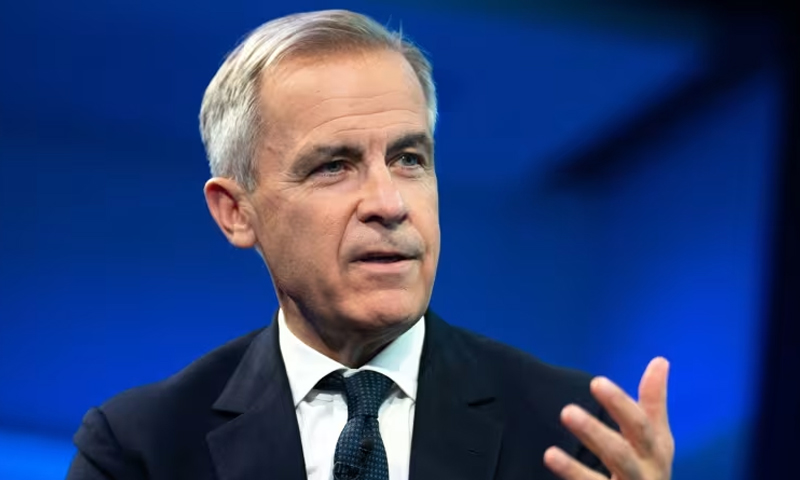
In a significant step toward mending strained diplomatic ties, Canadian Prime Minister Mark Carney extended a formal invitation to Indian Prime Minister Narendra Modi to attend the upcoming Group of Seven (G7) Summit, set to take place from June 15 to 17 in Kananaskis, Alberta. The invitation was extended during a phone conversation between the two leaders on Friday, marking the first high-level outreach since relations deteriorated sharply between the two nations in 2023–2024.
According to an official readout from Carney’s office, the two leaders “agreed to remain in contact” and expressed interest in engaging at the G7 Summit later this month. Although India is not a formal member of the G7, it is frequently invited as a guest nation, particularly due to its economic influence and geopolitical significance.
Modi Welcomes Invitation, Emphasizes Mutual Respect
Prime Minister Modi acknowledged the call on X (formerly Twitter), stating that he appreciated the invitation and reaffirmed India’s commitment to working with Canada.
“Glad to receive a call from Prime Minister Carney… thanked him for the invitation to the G7 Summit,” Modi posted.
“India and Canada will work together with renewed vigour, guided by mutual respect and shared interests.”
The comments appear to signal a diplomatic thaw, following nearly two years of mounting tensions over sensitive issues, including allegations of foreign interference and a high-profile murder case involving a Sikh separatist leader.
Roots of the Diplomatic Fallout
Relations between Canada and India took a severe downturn in late 2023, after Canadian authorities accused Indian agents of involvement in the killing of Hardeep Singh Nijjar, a pro-Khalistan Sikh separatist and Canadian citizen, outside a gurdwara in British Columbia. Prime Minister Justin Trudeau—then in office—stated that Canadian intelligence had credible links implicating Indian officials in the murder.
In response:
- Canada expelled several Indian diplomats, citing interference and national security concerns.
- India strongly denied the accusations and reciprocated by expelling an equal number of Canadian diplomats.
Further, Canada alleged that India had attempted to interfere in its last two federal elections, further deepening the diplomatic rift. The two nations also suspended intelligence-sharing on certain matters, and multiple high-level visits were either postponed or canceled.
Modi to Inaugurate Strategic Chenab Bridge in Jammu and Kashmir Amid Tensions
New Momentum Under Carney’s Leadership
Since assuming office, Mark Carney has prioritized redefining Canada’s global trade relationships, particularly reducing overdependence on the United States. India, as the fifth-largest economy in the world, is central to that strategy.
“It made sense for the G7 to invite India, given its economic weight and role in global supply chains,” Carney said at a press briefing in Ottawa.
“In addition, bilaterally, we have now agreed, importantly, to continued law enforcement dialogue… there’s been some progress on that, that recognizes issues of accountability.”
Carney’s reference to “continued law enforcement dialogue” indicates some level of cooperation between Canadian and Indian security agencies, possibly laying the groundwork for future collaboration on intelligence and transnational crime investigations.
Trade Remains a Pillar of Relations
Despite the political fallout, economic ties between India and Canada remain substantial:
- India is Canada’s 10th largest trading partner.
- Canada is the largest exporter of pulses, including lentils, to India.
- Canadian pension funds have made significant investments in Indian infrastructure and technology sectors.
Both sides are aware of the economic opportunity in keeping trade channels open. The renewed engagement could help revive stalled negotiations on a Comprehensive Economic Partnership Agreement (CEPA) that had been paused amid political tensions.
G7 Summit as a Diplomatic Testing Ground
The upcoming G7 Summit in Alberta may now serve as a testing ground for India-Canada relations, allowing the two leaders to meet face-to-face and explore areas of common interest. The summit, which includes the world’s most advanced economies, will address a wide range of global issues including:
- Climate change
- Geopolitical stability
- Economic security
- Technological cooperation
- Food and energy supply chains
India’s presence offers a chance to align strategic interests, especially in areas like clean energy, digital governance, and Indo-Pacific security.
