
Table of Contents
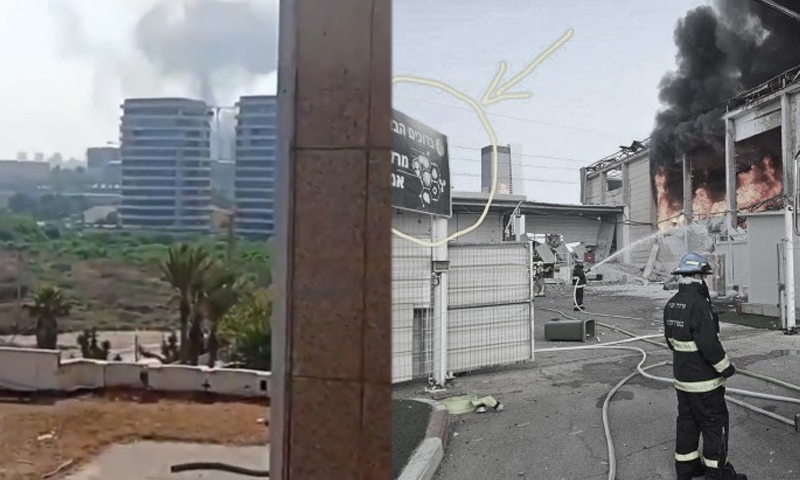
On the morning of June 17, 2025, the Islamic Revolutionary Guard Corps (IRGC) announced a successful missile strike on a major Mossad intelligence center in Tel Aviv. The strike was carried out by the IRGC’s Aerospace Force units, targeting the Zionist regime’s Mossad spy agency headquarters, despite the presence of advanced Israeli air defense systems. The IRGC stated that the strike also hit the military intelligence directorate of the Israeli army, known as AMAN, which, along with the Mossad center, is used for planning assassination operations and other hostile activities. According to the IRGC, the targeted Mossad center is now engulfed in flames.
Dubai Launches Four-Day Summer Workweek for Public Sector Employees
Context of the Attack
This missile attack is part of a series of retaliatory strikes launched by Iranian forces since June 13, following Israeli airstrikes on Iranian nuclear, military, and residential sites. The Israeli attacks have reportedly caused significant casualties, including the deaths of senior military commanders, nuclear scientists, and civilians, among them 45 women and children. In response, Iran has vowed to continue its offensive operations until avenging the last drops of martyrs’ blood.
International Reactions
The missile strike has further escalated tensions between Iran and Israel, drawing reactions from the international community. U.S. President Donald Trump demanded Iran’s “unconditional surrender” and warned that the U.S. would not target Iran’s supreme leader—“at least not for now.” He asserted control of Iranian airspace and emphasized that Iran must fully abandon its nuclear ambitions. The G7 summit addressed the crisis, with European leaders urging de-escalation, while Trump expressed intent to end the conflict decisively.
Ongoing Hostilities
The conflict has led to significant casualties on both sides. Israel has launched extensive airstrikes on Iranian military and nuclear infrastructure, while Iran has retaliated with missile and drone attacks on Israeli cities such as Tel Aviv. The war has caused hundreds of civilian casualties and incited widespread evacuations of foreign nationals from both countries. Cyber warfare has also intensified, with hacker group Predatory Sparrow claiming responsibility for a cyberattack on Iran’s Bank Sepah. Iran’s critical infrastructure, including gas production and state media, suffered damage from Israeli strikes, leading to civilian casualties and chaos in Iranian hospitals.
Strategic Implications
The missile strike on the Mossad headquarters signifies a significant escalation in the ongoing conflict between Iran and Israel. It highlights the increasing use of missile technology in regional conflicts and underscores the complexities of modern warfare, where cyber capabilities, intelligence operations, and conventional military tactics are intertwined. The international community remains on edge, closely monitoring developments and hoping for a path toward de-escalation.
