
Table of Contents
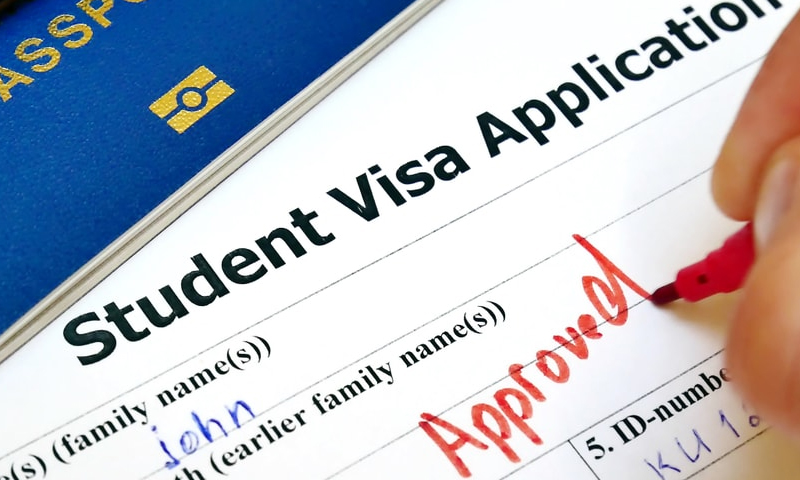
The U.S. Department of State has officially resumed the processing of student visa applications for foreign nationals after a brief suspension in May. However, this resumption comes with a controversial new condition: all visa applicants must now provide access to their social media accounts during the application process.
According to the Associated Press, this policy aims to intensify background checks and ensure applicants are not involved in any online activity considered threatening or disrespectful to U.S. national values, government institutions, or founding principles.
Visa Processing Resumes Amid Policy Shifts
The student visa program, a critical channel for international education in the United States, was temporarily halted last month under a directive from the Trump administration. The halt affected thousands of prospective students worldwide, causing disruptions in academic planning and career pathways.
A recent update by the State Department confirms that student visas are once again being issued. However, applicants who decline to share their online presence, including platforms like Facebook, Twitter, Instagram, and TikTok, may now face visa denial. Authorities cite transparency and national security concerns as the main reasons for the new requirement.
“The refusal to share one’s digital footprint raises red flags and could indicate a lack of transparency,” a senior State Department official stated.
Increased Scrutiny on International Students
This new screening policy adds another layer of scrutiny to international students, who have already been subject to tightened security protocols under recent U.S. immigration reforms. While U.S. officials argue that such measures are intended to protect the country from potential threats, advocacy groups and civil liberties organizations have raised concerns about privacy, censorship, and discrimination.
In a notable case, a 27-year-old PhD student of Chinese nationality, currently residing in Toronto, recently received an interview appointment at a U.S. consulate for an internship scheduled to begin in July. Her case underscores how the changes are already being implemented and affecting applicants in real-time.
Prioritization Based on University Demographics
The Department of State has also instructed embassies and consulates to prioritize visa applicants who are enrolled in U.S. colleges or universities where international students represent less than 15% of the total student population.
According to recent federal education data, more than 200 American universities exceed this 15% threshold. This policy could further limit opportunities for international students at top-tier institutions, many of which host large numbers of foreign students.
Educational institutions and immigration experts warn that such criteria may disadvantage students applying to research-intensive universities or urban campuses known for their diversity.
Security Concerns Driving Foreign Policy Pressure
In addition to the domestic screening measures, the Trump administration has sent formal requests to 36 countries, urging them to upgrade their traveler vetting systems. Countries that fail to comply within a 60-day timeframe may face restrictions or full travel bans on their citizens entering the U.S.
Govt Reduces Sales Tax on Solar Panel Imports to 10%
These actions are part of a broader strategy by the administration to tighten border controls, increase vetting mechanisms, and reduce perceived security vulnerabilities in the U.S. immigration system.
Civil Liberties Concerns Over Social Media Monitoring
The requirement to provide social media access has sparked significant debate among civil liberties advocates, immigration lawyers, and university administrators.
Critics argue that this policy could lead to:
- Self-censorship by applicants fearful of being denied entry over political opinions
- Discrimination against individuals from countries with strained U.S. relations
- Violation of privacy rights, particularly for students who use social media for personal expression
The U.S. government maintains that the monitoring of digital activity is essential for comprehensive background checks, claiming it helps detect extremist content, false identities, and potential threats.
Global Implications and Student Sentiment
International students are expressing increasing anxiety over what they view as unpredictable and intrusive visa policies. The uncertainty has forced some students to delay or reconsider studying in the U.S., potentially redirecting talent toward countries like Canada, the UK, or Australia, which offer more stable immigration pathways.
University leaders and global education analysts warn that these restrictions may damage the United States’ long-standing reputation as a top destination for international education.
