
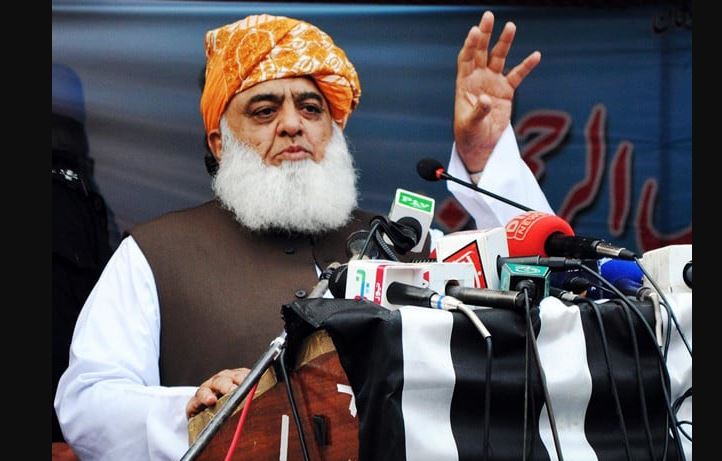
As Pakistan’s national elections approach in two months, Maulana Fazl ur Rehman, leader of the Jamiat Ulema-e-Islam-Fazl (JUI-F), voiced concerns on Tuesday regarding the feasibility of conducting polls in the terrorism-stricken regions of Balochistan and Khyber-Pakhtunkhwa (K-P). Fazl highlighted the serious security challenges in these areas, marked by the loss of JUI-F party workers to acts of terrorism.
Fazl raised alarms over the lack of police presence in key locations like Dera Ismail Khan, Tank, and Lakki Marwat, questioning the practicality of holding elections in such turbulent conditions. Despite these challenges, he affirmed JUI-F’s readiness for the polls but stressed the need for a conducive electoral environment.
He also leveled criticism at the Pakistan Tehreek-e-Insaf (PTI), questioning its future political role and suggesting a lack of genuine popular support. Fazl claimed that PTI’s rise was not organic and accused it of coercing individuals into its ranks, with some members allegedly admitting to being forced into joining the former ruling party.
Discussing alliances, Fazl revealed ongoing cooperation with the Pakistan Muslim League-Nawaz (PML-N). He expressed a commitment to maintaining their relationship and openness to adjusting electoral seats. Fazl emphasized the importance of honoring the people’s choice in electing a prime minister and vowed to uphold principled politics, maintaining the JUI-F’s alliance with the PML-N based on shared values.
In addition to election readiness, Fazl underlined the need for a uniformly secure environment across Pakistan, not just in Lahore, to ensure a peaceful electoral process.
Fazl also shared updates on discussions about various issues during a meeting of the federal madrasa board in Islamabad. He announced an upcoming large gathering at the convention center, focusing on challenges in the madrassa system’s operations and the necessity for a legal framework for madrassa registration.
