
Table of Contents
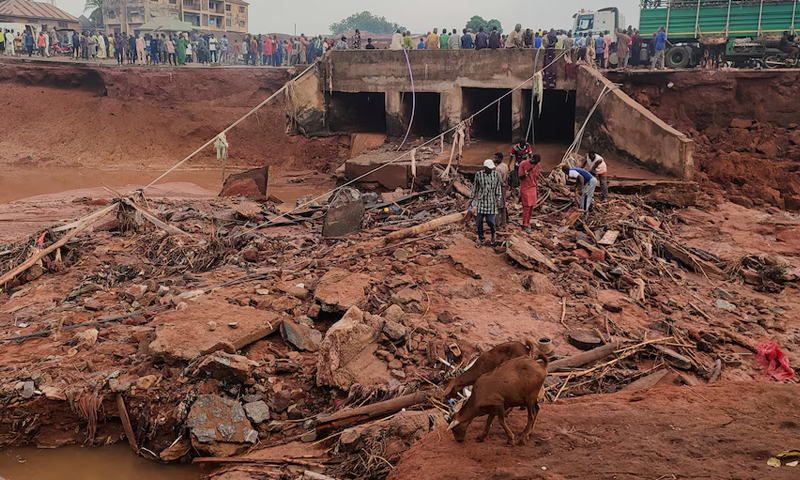
At least 151 people have died following devastating flooding in Nigeria’s Niger State this week, according to emergency officials. The disaster, which unfolded late Wednesday night through Thursday morning in the central town of Mokwa, has left widespread destruction in its wake and displaced more than 3,000 people.
Death Toll Climbs as Rescue Efforts Continue
The updated death toll was provided by Ibrahim Audu Hussaini, director of information at the Niger State Emergency Management Agency (NSEMA), in a statement to Reuters on Saturday. The toll had previously stood at 117 as of Friday, but rescue teams working in difficult conditions have since recovered additional bodies.
“Over 500 households have been impacted,” said Hussaini. “Rescuers are still combing through the mud and debris to search for missing persons.”
Homes Destroyed, Families Displaced
The flash flooding, triggered by intense rainfall overnight, inundated homes and farmlands in Mokwa and surrounding areas. Many families lost everything as water levels rose rapidly, tearing through buildings and infrastructure.
More than 3,000 people are now displaced, with emergency shelters being established in schools and government facilities to house those affected. Food, clean water, and medical supplies remain in short supply, with aid agencies and local authorities scrambling to meet urgent needs.
Nigeria’s Seasonal Flood Risk
Nigeria is highly vulnerable to flooding, especially during the rainy season that runs from April through October. In rural and semi-urban regions like Mokwa, poor drainage systems and weak infrastructure often exacerbate the impact.
This week’s disaster has revived memories of the catastrophic 2022 floods, which were the worst the country had seen in over a decade. Those floods killed more than 600 people, displaced over 1.4 million, and damaged vast swathes of farmland — a crisis that deepened food insecurity nationwide.
Government Response and Challenges
While federal and state emergency management agencies have deployed teams to the affected zones, local residents say the response has been slow. Accessibility has been a major issue, as some roads remain impassable due to floodwaters.
France to Ban Smoking in Public Spaces Frequented by Children Starting July 1
Community volunteers have joined professional rescuers in digging through rubble with minimal equipment. Meanwhile, calls have intensified for the government to invest in long-term flood mitigation, such as improved drainage systems, relocation programs, and early warning infrastructure.
A Wake-Up Call on Climate Resilience
Experts say the increasing frequency and intensity of such floods are linked to broader climate change patterns affecting West Africa. Rising global temperatures contribute to more erratic rainfall, while deforestation and unregulated urban development worsen the flood risk.
“This disaster is a stark reminder of Nigeria’s urgent need for climate adaptation and preparedness,” said one climate resilience advocate. “Without proper infrastructure, we will continue to see these deadly outcomes.”
