
Table of Contents
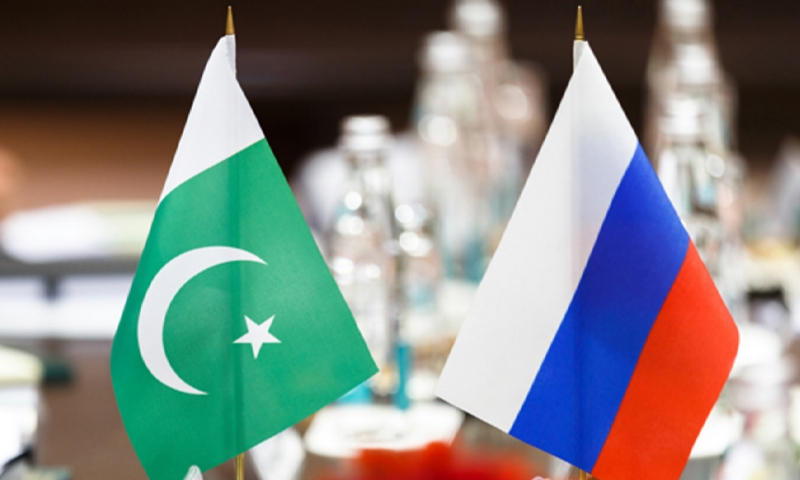
In a major step toward reviving one of Pakistan’s most iconic industrial projects, Pakistan and Russia have signed a protocol to restore and modernize Pakistan Steel Mills (PSM). The agreement marks a renewed effort to breathe life into a dormant industrial giant and signals a deeper phase of economic cooperation between the two countries.
The signing ceremony took place at the Pakistan Embassy in Moscow, with key officials present from both sides.
Historic Signing in Moscow
The agreement was signed by Saif Anjum, Secretary of Pakistan’s Ministry of Industries and Production, and Vadim Velichko, General Director of Industrial Engineering LLC, the Russian engineering firm tasked with the revival project.
The event was attended by Haroon Akhtar Khan, Special Assistant to the Prime Minister (SAPM), and Ambassador Muhammad Khalid Jamali, Pakistan’s top envoy to Russia.
Speaking at the event, SAPM Haroon Akhtar Khan emphasized the historical depth of Pakistan-Russia industrial ties:
“Reviving PSM with Russia’s support reflects our shared history and commitment to a stronger industrial future.”
A Soviet-Built Legacy Reimagined
Originally built in the early 1970s with Soviet technical and financial assistance, Pakistan Steel Mills has long been considered a symbol of Pakistan-Russia cooperation. The project was seen as a major leap for Pakistan’s industrialization at the time.
At its peak, PSM had the capacity to produce over one million tons of steel annually and employed thousands of workers. However, mismanagement, political interference, and outdated technology led to its eventual shutdown in 2015, with production effectively grinding to a halt.
The new agreement aims to restore operations, upgrade infrastructure, and expand capacity, potentially making PSM once again a key player in Pakistan’s industrial sector.
Strategic Industrial Cooperation
The protocol lays the groundwork for technical assessments, feasibility studies, and project financing options to be jointly undertaken by Pakistani and Russian stakeholders. It also opens the door to long-term investment and technology transfer, which experts say is critical for ensuring the sustainability of PSM in a competitive global steel market.
While specific timelines and costs have not yet been publicly disclosed, officials hinted that modernization work will be phased, with particular focus on restoring blast furnaces, rolling mills, and power generation units.
Industry analysts say Russia’s involvement brings both technical know-how and political significance, given the shifting geopolitical dynamics in South and Central Asia.
Why Reviving PSM Matters
The revival of Pakistan Steel Mills holds immense strategic value for Pakistan, both economically and geopolitically. It would reduce dependency on imported steel, save foreign exchange reserves, and boost domestic manufacturing in sectors such as construction, defense, and transportation.
Moreover, reactivating PSM could create thousands of direct and indirect jobs, especially in the Karachi region where the facility is located.
According to government sources, the revival plan is aligned with broader objectives under the Special Investment Facilitation Council (SIFC), which seeks to attract foreign investment into key sectors including energy, minerals, and heavy industry.
Symbol of Renewed Pakistan-Russia Relations
The agreement comes at a time when Pakistan and Russia are deepening diplomatic and economic ties, particularly in energy and trade. This includes discussions on oil imports, LNG cooperation, and regional connectivity projects.
Over 23 Million at Risk Now Receive Real-Time Disaster Alerts via Jazz and NDMA
By returning to a project that originally symbolized Soviet-Pakistani friendship, both sides are reaffirming a decades-old relationship in a modern context.
“Pakistan Steel Mills stands as a symbol of the strength and potential of Pakistan-Russia relations,” said Ambassador Khalid Jamali. “We are proud to witness this new chapter.”
Next Steps: From Paper to Production
The successful revival of Pakistan Steel Mills will depend on how quickly feasibility studies and funding mechanisms can be finalized. Russian technical teams are expected to visit Pakistan in the coming months to carry out on-site assessments.
Meanwhile, Pakistani officials have pledged full support to remove administrative and regulatory hurdles, and ensure the project moves forward without delays.
Stakeholders from the Ministry of Industries and Production have also hinted at possible public-private partnership models to increase operational efficiency and financial sustainability.
Conclusion: A New Industrial Chapter Begins
The signing of the revival protocol for Pakistan Steel Mills is more than just an industrial agreement — it is a symbolic and strategic step toward economic self-reliance and international collaboration.
As Pakistan looks to rejuvenate its struggling industrial base and Russia seeks to expand its global partnerships, the PSM revival project could serve as a model for how legacy relationships can evolve into future-ready partnerships.
