
Table of Contents
The White House under former President Donald Trump has launched a new COVID-19 origins website that places blame for the coronavirus pandemic on a laboratory leak in China. The site also sharply criticizes former President Joe Biden, Dr. Anthony Fauci, and the World Health Organization (WHO) for their roles in managing the crisis.
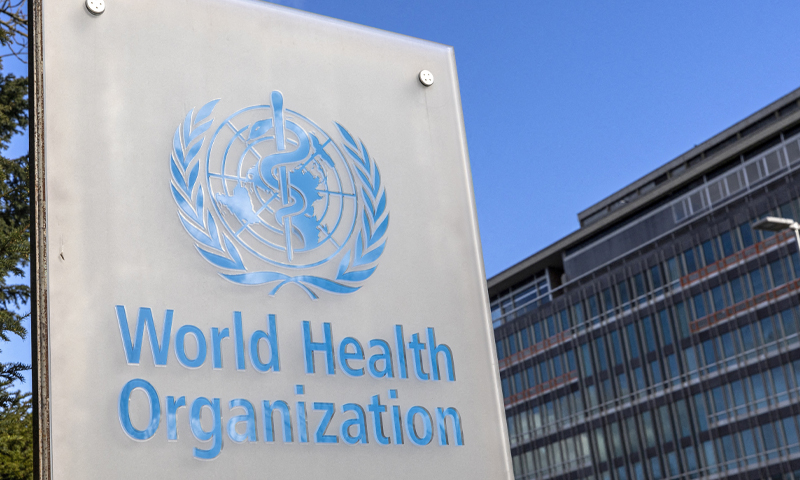
The website is highly critical of measures like lockdowns, mask mandates, and social distancing, calling them harmful overreaches. It also references Trump’s earlier decision to begin the process of withdrawing the U.S. from the WHO, which was at the time the agency’s largest single financial contributor.
Renewed Focus on Lab Leak Theory
The launch of the site aligns with the CIA’s January assessment, which noted with “low confidence” that a lab origin of COVID-19 is more likely than a natural spillover, though both theories remain plausible. The intelligence community has remained divided, with no definitive conclusion.
China has strongly rejected the lab leak theory, accusing the U.S. of politicizing the issue. Chinese officials continue to assert that they support scientific inquiry into the origins and argue that the virus’s emergence was likely natural.
Réunion Island Reports Six Deaths as Chikungunya Outbreak Infects Over 33,000
Silence from WHO, Biden, and Fauci
As of now, President Joe Biden, Dr. Anthony Fauci, and the World Health Organization have not issued official responses to the site or its claims.
Trump’s public disagreements with Fauci date back to the early days of the pandemic. Shortly after taking office in his second term, Trump reportedly told Fauci to “hire his own security”, ending government-provided protection for the former chief medical advisor, who had been the target of numerous threats.
Political Overtones Amid Unresolved Scientific Debate
While scientific debate continues globally regarding the true origins of COVID-19, the Trump administration’s renewed emphasis on the lab leak narrative appears to serve dual political purposes: reinforcing skepticism of global institutions like the WHO and undermining political opponents associated with mainstream pandemic management strategies.
The move may also reflect broader U.S.-China tensions and rising anti-China rhetoric in U.S. domestic politics.
