
Table of Contents
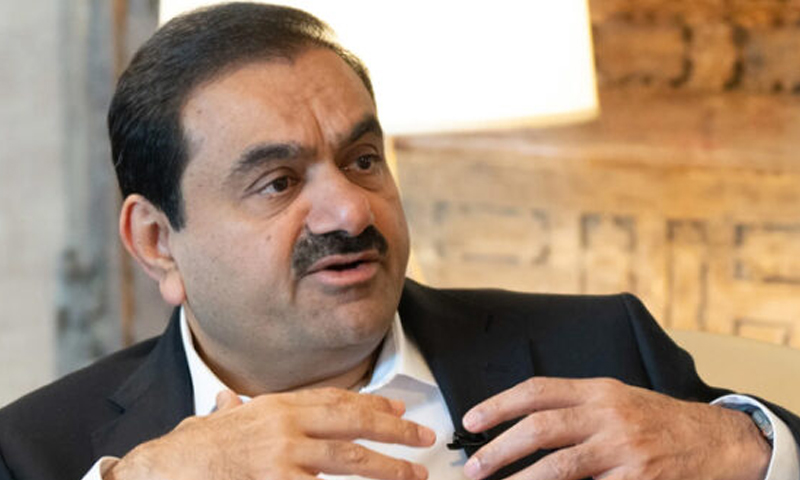
The US fraud case against Indian billionaire Gautam Adani appears to be supported by strong evidence, but legal experts suggest that his extradition for trial remains unlikely in the near future. Federal prosecutors in Brooklyn unsealed an indictment last month accusing Adani of bribing Indian officials to encourage the purchase of electricity produced by Adani Green Energy, a subsidiary of his conglomerate, Adani Group. They also allege that Adani misled US investors by falsely claiming strong anti-corruption practices while secretly paying bribes.
Indictment and Charges
The indictment charges Gautam Adani, his nephew Sagar Adani, and another executive from Adani Group with securities fraud and conspiracy. The case also implicates five individuals affiliated with Azure Power Global, a US-listed company previously involved, who face charges under the Foreign Corrupt Practices Act (FCPA). Azure Power has cooperated with the investigation and stated that the individuals charged are no longer part of the company.
In response to the accusations, Adani Group has strongly denied the allegations, calling them “baseless” and vowing to pursue all available legal options. Despite the indictment, Gautam Adani has not been detained and has appeared in public events in India, including a December 9 event attended by Prime Minister Narendra Modi.
Key Evidence and Legal Challenges
According to the indictment, prosecutors uncovered “bribe notes” on Sagar Adani’s cell phone, along with an email sent by Gautam Adani to himself containing a copy of a search warrant and grand jury subpoena issued by the FBI against his nephew in March 2023. These electronic records could be pivotal in proving that the Adanis knew they misled investors by not disclosing the bribery investigation, while presenting themselves as champions of anti-corruption practices.
Legal experts note that such corroborating evidence strengthens the case for the prosecution. Stephen Reynolds, a former federal prosecutor, pointed out that the presence of corroborating material often enhances the strength of a case. However, challenges remain, as Adani could argue that he was not personally involved in crafting the statements made to investors regarding anti-bribery practices, said Paul Tuchmann, another former federal prosecutor.
Extradition and Diplomatic Hurdles
One of the major obstacles for the prosecution is the challenge of securing Gautam Adani’s extradition. As he remains in India, prosecutors face significant hurdles in bringing him to the United States for trial. Mark Cohen, a former federal prosecutor, pointed out that the Indian government may be reluctant to facilitate the testimony of Indian officials, which could involve sensitive political considerations. The process could require India’s assistance, and New Delhi may be cautious about cooperating with an investigation that could negatively affect its image.
India’s foreign ministry has yet to receive any formal request from the United States for Adani’s extradition. In a statement issued on November 29, the ministry reiterated that the case is a matter between private firms and the US Justice Department, suggesting limited involvement from the Indian government.
The Path Ahead
While the evidence presented so far appears strong, legal experts believe the path to securing a conviction will be complex. The case could become a prolonged legal battle, particularly as prosecutors seek to obtain live testimony from Indian witnesses. The political and diplomatic intricacies of such a high-profile case could further complicate efforts to bring Gautam Adani to trial.
The outcome of this case may hinge on the ability of the US Justice Department to navigate these challenges and leverage the evidence available, including the critical electronic records from the Adani family’s phones. However, given the obstacles to extradition and international cooperation, it remains unclear when, or if, Gautam Adani will stand trial in the United States.
