
Table of Contents
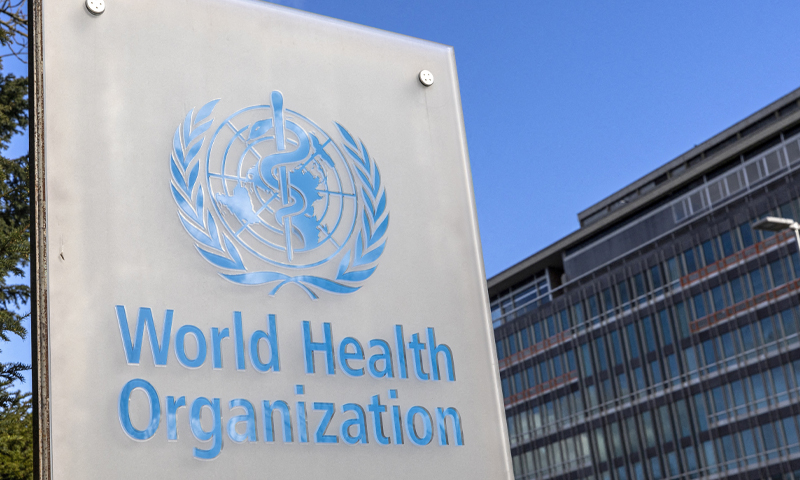
In response to concerns over rising cases of human metapneumovirus (HMPV) in China, the Chinese Foreign Ministry reiterated its commitment to public health on Friday. Spokesperson Guo Jiakun emphasized that the government has been in close communication with the World Health Organization (WHO) to monitor respiratory diseases. Despite an uptick in HMPV infections, Guo reassured the public that this virus is not new, having been circulating in humans for more than 60 years.
What Is HMPV?
Human metapneumovirus (HMPV) is a respiratory virus that can cause symptoms similar to those of the common cold or flu. It is known to affect individuals across all age groups, particularly young children, the elderly, and those with weakened immune systems. The virus generally leads to mild, self-limiting illnesses, though it can occasionally cause more serious respiratory issues, particularly in vulnerable populations.
Guo’s comments were made during a regular press briefing, where he reassured both the Chinese public and foreign nationals in China that their health was a top priority. He also addressed concerns about the rising number of HMPV cases in China, noting that such viruses are common and not indicative of an unusual or alarming outbreak.
China’s CDC and WHO’s Assessment of HMPV Situation
According to the latest report from China’s Center for Disease Control and Prevention (CDC), HMPV cases in China are currently at high levels, which aligns with trends observed in other northern hemisphere countries during the colder months. The virus, which spreads primarily through respiratory droplets, is expected to circulate more frequently in the winter months, making such cases a seasonal occurrence.
The WHO, which has been in regular contact with Chinese health authorities, has confirmed that there are no unusual patterns or unexpected spikes in HMPV cases. The organization emphasized that while respiratory diseases are a significant concern, HMPV has been circulating globally for decades, with no indication of a new or dangerous mutation.
Addressing Public Concerns
Guo Jiakun was quick to caution against sensationalizing the situation, calling it “alarmist” to label common viruses as unknown or unprecedented. “It is against scientific common sense to exaggerate common viruses as unknown viruses,” Guo said, reinforcing the notion that public fear should be kept in check. While rising case numbers may attract media attention, the Chinese government maintains that the situation remains manageable and consistent with seasonal patterns observed in other parts of the world.
Health experts around the globe are urging vigilance but also stress the importance of not overreacting to viruses that have been part of the human environment for decades. HMPV infections, which often resolve on their own, are generally considered self-limiting and do not pose a significant long-term health threat.
