
Table of Contents
A Pre-Dawn Wake-Up Call
A moderate but widely felt magnitude 4.6 earthquake struck the Santa Cruz Mountains early Thursday morning, shaking residents awake across a broad swath of Northern California . The tremor occurred at 1:41 a.m. local time on April 2, 2026 .
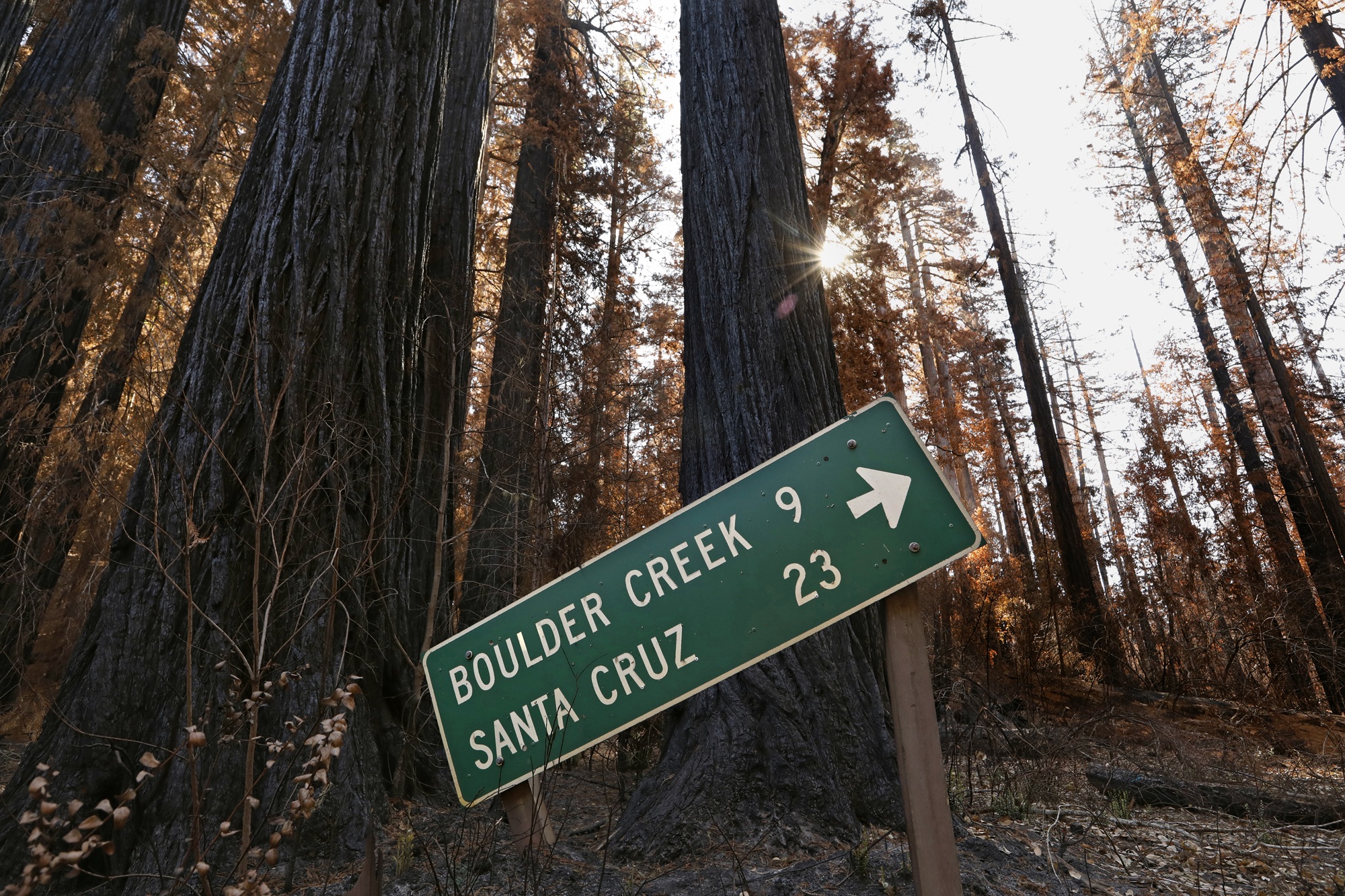
The epicenter was located less than a mile from the small community of Boulder Creek, a town of about 5,000 people nestled in the Santa Cruz Mountains approximately 15 miles north of Santa Cruz . The United States Geological Survey (USGS) reported that the earthquake was relatively shallow, originating at a depth of about 7 miles (11 kilometers), which contributed to the strong shaking felt across a wide region .
Widespread Shaking and Early Warnings
The quake’s impact was not limited to the immediate epicenter. Residents reported feeling the shaking across a 100-mile (161-kilometer) stretch of Northern California, reaching as far north as Petaluma (40 miles north of San Francisco), as far south as Fresno, and inland to Sacramento .
The USGS received over 2,700 “Did You Feel It?” reports from the public . Social media lit up with reactions, with one resident near the epicenter writing, “Wow, what a shaker!” and another noting, “My dog does not like earthquakes very much” .
Early warning systems played a crucial role in preparing residents for the tremor. The MyShake app, developed in collaboration with UC Berkeley, sent alerts to users’ phones seconds before the shaking arrived . Many residents reported being awakened not by the quake itself, but by the emergency alerts on their phones .
Damage and Aftermath
Despite the widespread shaking and the moderate magnitude, there were no immediate reports of significant damage or injuries . The quake was initially recorded as a magnitude 4.9 by some monitoring systems before the USGS revised it down to 4.6 .
Authorities, including the University of California, Berkeley, activated emergency notification systems and issued the standard “drop, cover, and hold on” safety protocol . The university quickly gave an “all-clear” message after initial assessments showed no damage to campus facilities .
Notably, the region experienced no significant aftershocks in the hours immediately following the main quake .
Why the Santa Cruz Mountains?
The Santa Cruz Mountains are a seismically active region due to their proximity to the San Andreas Fault system and several other active branches . Even moderate earthquakes in this area can produce strong shaking because the underlying geology allows seismic waves to travel efficiently through the Earth’s crust. The shallow depth of this event further amplified the surface movement .
While California experiences frequent seismic activity, this event serves as a powerful reminder for residents to remain prepared. Safety officials continue to emphasize the “drop, cover, and hold on” protocol as the best way to protect oneself during an earthquake
