
Table of Contents
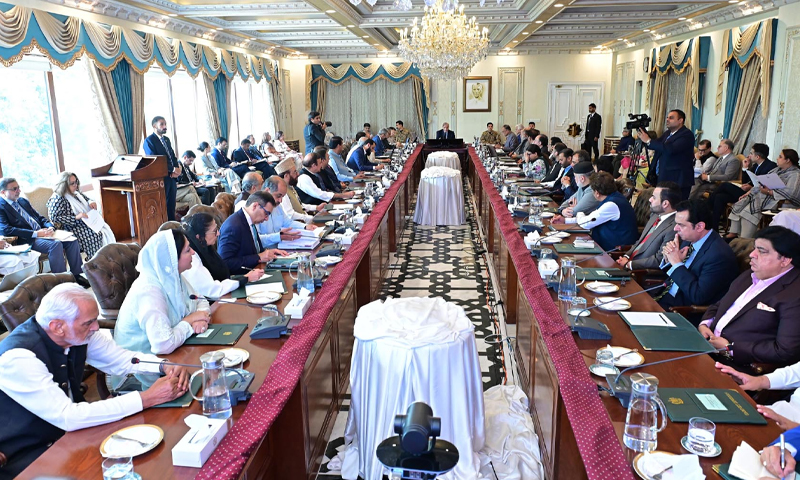
In a major policy breakthrough, the federal cabinet of Pakistan on Wednesday approved the country’s largest-ever financial restructuring initiative aimed at tackling the chronic circular debt crisis in the energy sector. The decision was taken during a high-level meeting chaired by Prime Minister Shehbaz Sharif at the Prime Minister House, with cabinet members and key ministers in attendance.
According to an official release from the Prime Minister’s Office, the landmark plan seeks to eliminate Rs. 1,275 billion in circular debt over the next six years, without further burdening the national exchequer.
A Game-Changer for the Power Sector
The plan involves refinancing outstanding liabilities of the Power Holding Company and clearing long-standing dues owed to Independent Power Producers (IPPs). The goal is to restore financial stability in the power supply chain, increase investor confidence, and reduce fiscal strain on the government.
“This is a historic step toward economic stability and investor confidence in Pakistan’s energy sector,” said Prime Minister Shehbaz Sharif, hailing the decision as a milestone in the government’s broader economic reform agenda.
He added that the plan “reflects our commitment to sustainable institutional reforms, reducing fiscal pressure, and paving the way for a more stable and prosperous energy future.”
Budget Acknowledged as Public-Friendly
The cabinet also extended special appreciation to Finance Minister Muhammad Aurangzeb and his economic team for presenting what was termed a “public-friendly budget” for the upcoming fiscal year 2025–26.
Cabinet members acknowledged the team’s efforts in navigating fiscal challenges and stabilizing macroeconomic indicators amid external pressures and domestic demands.
The approved budget includes social relief packages, targeted subsidies, and growth-focused initiatives, aligning with the broader reforms outlined in the debt restructuring scheme.
Diplomatic Commendations: COAS Address in U.S. Lauded
On the diplomatic front, the cabinet recognized Chief of Army Staff Field Marshal Syed Asim Munir for his impactful address to the Pakistani diaspora during his recent visit to the United States.
The Prime Minister praised the COAS for his firm articulation of Pakistan’s national interests and commitment to regional stability.
“His address served as a powerful representation of Pakistan’s national resolve and unity,” Shehbaz Sharif said, emphasizing the value of diaspora engagement in advancing Pakistan’s global image.
Praise for Hajj Arrangements 2025
The Prime Minister also commended Minister for Religious Affairs Sardar Yousaf for ensuring efficient and dignified Hajj arrangements this year, calling it a “model for public service delivery.”
He noted that the successful management of the pilgrimage reflected the government’s broader commitment to citizen welfare, logistical excellence, and international coordination.
New Chairperson for Journalists’ Protection Commission
In an important move for media freedom and journalist welfare, the cabinet approved the appointment of Kamal Uddin Tipu as Chairperson of the Commission for the Protection of Journalists and Media Professionals, based on a recommendation from the Ministry of Human Rights.
Tipu’s appointment is seen as part of the government’s pledge to safeguard press freedoms and promote accountability for violence against media personnel.
Procurement Exemptions and Legislative Approvals
In another significant decision, the cabinet approved an exemption under Section 21 of the Public Procurement Regulatory Authority (PPRA) Ordinance, 2002, allowing National Power Parks Management Company Limited (NPPMCL) to bypass standard procurement rules for acquiring the Rousch Power Plant.
Senators Urge Greater Relief in Budget Amid Inflation Woes
This exemption is intended to expedite strategic energy acquisitions that align with national interest and infrastructure needs.
Additionally, the cabinet formally ratified all decisions taken during the Cabinet Committee on Legislative Cases (CCLC) meeting held on May 21, 2025. These include various legal, regulatory, and administrative reforms pending parliamentary review.
Implications: A Step Toward Long-Term Economic Reform
The approval of the circular debt restructuring plan sends a clear message about the government’s intent to address structural weaknesses in the power sector—often cited as one of the leading causes of Pakistan’s fiscal deficits and loss of investor confidence.
Experts say this plan could potentially help:
- Reduce load-shedding and system inefficiencies
- Restore the creditworthiness of power utilities
- Attract foreign and local investment into the energy infrastructure
- Meet conditions set by the IMF and other international lenders for continued financial assistance
What’s Next?
Implementation of the debt restructuring scheme will begin in the next fiscal quarter, with oversight from the Ministry of Finance and Ministry of Energy, in coordination with independent consultants and regulatory authorities.
The cabinet is expected to review progress quarterly, ensuring that milestones are met and necessary adjustments are made based on changing market conditions and performance metrics.
