
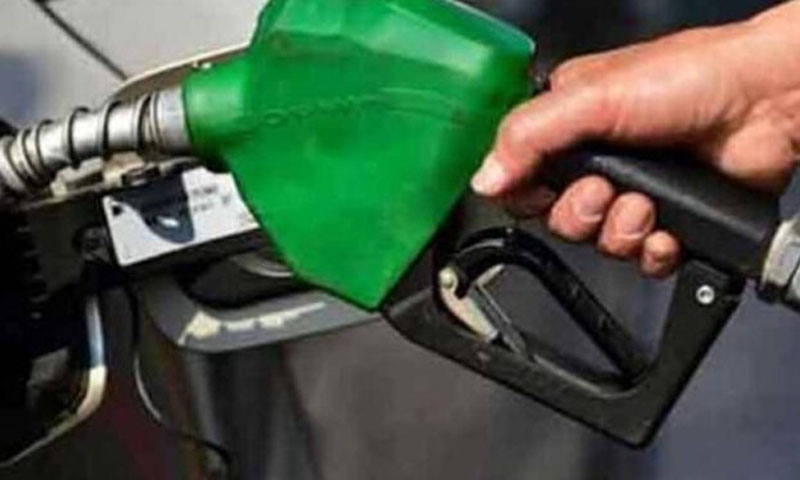
ISLAMABAD – Petrol crossed Rs400 per litre for the first time in Pakistan’s history on May 1, 2026, prompting consumers to question how much of the record pump price actually goes toward government taxes and levies .
According to a breakdown shared by petroleum officials on Saturday, consumers pay approximately Rs230 in taxes on every litre of petrol – accounting for nearly 58 per cent of the retail price .
The per-litre tax composition includes a petroleum levy of Rs107.4, a General Sales Tax (GST) of approximately Rs79.5, and customs duty estimated at Rs42 . The actual product cost (ex-refinery price) plus distributor margins accounts for the remaining Rs171 per litre .
The sharp tax burden follows successive price hikes since mid-April. petrol now stands at Rs404.78 per litre after three upward revisions driven primarily by surging global oil prices amid the Iran conflict and a government push to meet IMF revenue targets .
The petroleum levy was raised to Rs107.4 per litre as part of fiscal consolidation measures under the IMF programme. The government aims to collect Rs1.468 trillion in petroleum levy revenues in FY2026, with collections already exceeding Rs1.2 trillion in the first nine months of the fiscal year .
Citizens took to social media expressing frustration, with one user noting that Indians pay about $1.56 per litre while Pakistanis pay roughly the same absolute amount despite vastly different income levels, highlighting the disproportionate tax burden .
Industry officials acknowledged that taxation contributes approximately 50 to 65 per cent of fuel prices in Pakistan, a much higher proportion than in neighboring countries .
