
Table of Contents
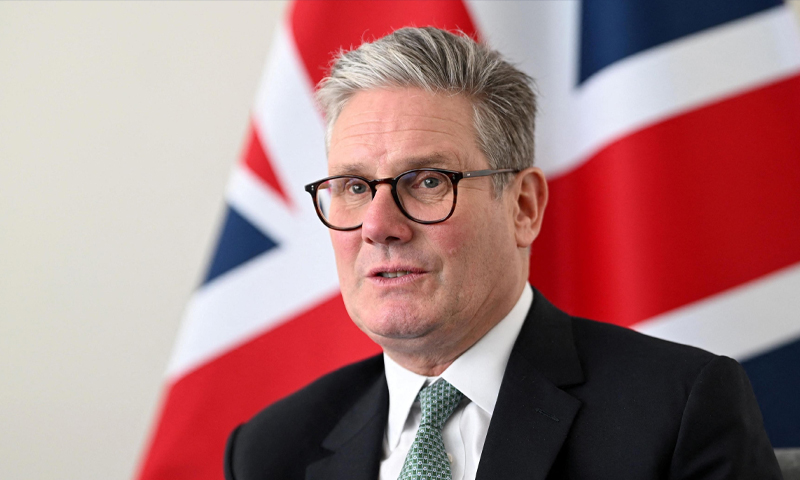
UK Prime Minister Sir Keir Starmer took part in an iftar event hosted by the All-Party Parliamentary Group on British Muslims in Parliament, marking the beginning of Ramadan, a time of fasting, prayer, and reflection for Muslims worldwide. Starmer’s attendance and speech at the event come during what he called a “difficult time for Muslims in the UK,” acknowledging the challenges that British Muslims have faced, particularly due to rising levels of anti-Muslim sentiment and violence.
Acknowledging the Pain of Conflict
During his remarks, Prime Minister Starmer spoke about the profound impact of the ongoing conflict in Gaza, expressing empathy for the pain it has caused Muslims both globally and within the UK. He noted how international conflicts, particularly those involving Muslim-majority countries, have a direct emotional and social impact on the Muslim community in Britain. Starmer highlighted that the difficult and painful circumstances abroad often reverberate at home, with British Muslims feeling the weight of global injustices, especially during significant moments like Ramadan.
“I know this has been a very difficult time for Muslims here in the UK with the pain of the conflict,” Starmer remarked, acknowledging the emotional toll it has taken on the community. His words were a reflection of the sensitivity surrounding ongoing international issues and their effects on local communities.
Addressing Rising Anti-Muslim Hate Crimes
In a powerful part of his speech, Starmer condemned the alarming rise in anti-Muslim hate crimes in the UK, particularly emphasizing the year 2024 as the worst on record since the Home Office began tracking such incidents. He pointed to the toxic influence of far-right rhetoric and disinformation, which he believes has fueled hostility towards British Muslims, resulting in a disturbing surge of violence and harassment.
UK Prime Minister Keir Starmer Welcomes Ukrainian President Zelensky with Strong Support
“I am horrified by the wave of hatred we have seen directed towards British Muslims, whipped up by far-right rhetoric and disinformation,” Starmer said, referring to the aftermath of riots in Southport following the tragic deaths of three young girls last summer. These riots have, according to Starmer, significantly contributed to the spike in anti-Muslim sentiment, manifesting in hate crimes and community tensions.
The prime minister described the statistics on anti-Muslim hate crimes as deeply concerning, revealing that “2024 was the worst year for anti-Muslim hate crime” in the UK’s history. He expressed his shock and disappointment that, rather than improving over time, the trend has worsened, noting that the rise in hate crimes has become a growing issue. He stressed that behind every statistic are real people—British Muslims who are daily victims of harassment and violence, living in fear for their safety and that of their families.
The True Spirit of Community
Despite these challenges, Starmer found hope in the spirit of resilience and unity that many communities have shown in response to these hateful acts. He shared a poignant moment from Southport, where a community came together to rebuild a wall in front of a mosque damaged in the riots. Starmer hailed this act of solidarity as the “true spirit of this country,” recognizing the strength and unity that can emerge even in the face of adversity.
The prime minister’s words were a call for greater compassion, understanding, and togetherness in the face of rising division. He wished all attendees of the iftar event a “peaceful, blessed and fruitful holy month,” emphasizing the importance of community, unity, and mutual respect, especially during Ramadan, a time dedicated to reflection, compassion, and self-discipline.
The Need for a Better Future
Starmer’s speech also highlighted the need for societal change, urging for a better trend toward inclusivity and equality. While expressing his concerns over the rising levels of hatred, he also made it clear that he is committed to addressing these issues through policy, dialogue, and promoting greater tolerance. He acknowledged that the fight against hate crimes is ongoing, but that it is crucial for all communities to come together in solidarity to push for a more just and compassionate society.
