
Table of Contents
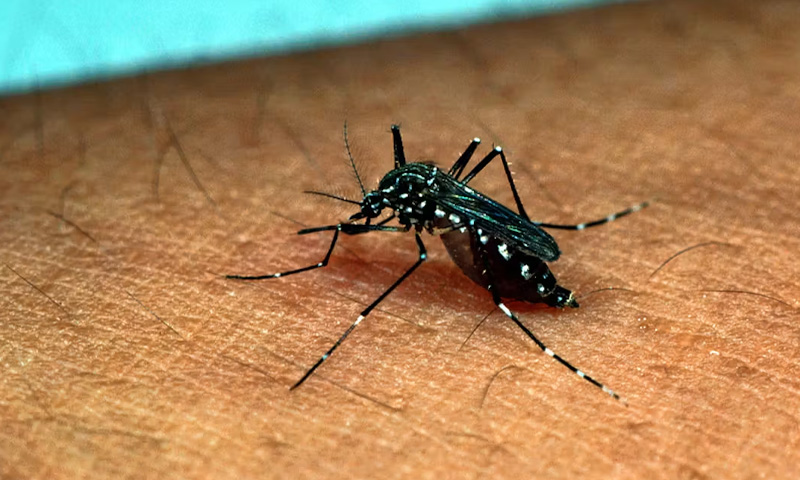
The province of Sindh has recorded its first dengue-related fatality of the year, following the death of a 24-year-old male patient at the Sindh Infectious Diseases Hospital in Karachi.
According to hospital sources, the patient had been admitted in critical condition and placed on a ventilator for the past two days. Medical staff reported his platelet count had dropped to just 32,000—far below the normal range of 150,000 to 450,000—indicating severe dengue infection and internal bleeding complications.
PM Shehbaz Abolishes TV Fee in Power Bills, Launches Power Smart App for Transparent Meter Readings
This marks the first officially confirmed dengue death in the province for 2025.
Karachi Remains Epicentre of Dengue Activity
Despite a marked decrease in overall dengue cases this year, Karachi continues to lead Sindh in reported infections. Of the 295 confirmed cases in the province so far this year, 260 cases — nearly 90% — were recorded in Karachi alone, reinforcing its status as the epicentre of dengue transmission in Sindh.
During June 2025, Karachi registered 32 new cases, while Hyderabad and Shaheed Benazirabad divisions reported none. Other districts showed minimal activity, with just one case each in Mirpurkhas and Sukkur during the same period.
Regional Breakdown of Dengue Cases in 2025 (To Date):
| Division | Total Cases (2025) | Cases in June 2025 |
|---|---|---|
| Karachi | 260 | 32 |
| Hyderabad | 30 | 0 |
| Mirpurkhas | 2 | 1 |
| Sukkur | 2 | 1 |
| Shaheed Benazirabad | 1 | 0 |
While these figures remain significantly lower than past years, officials caution that this may not represent a permanent trend, especially with the monsoon season now underway.
Dramatic Decline from Previous Outbreak Years
Sindh’s dengue situation in 2025 presents a notable contrast to recent years, when the virus surged to alarming levels. According to health department data:
- 2024: 2,704 cases
- 2023: 2,880 cases
- 2022: 23,274 cases (record high)
- 2021: 6,739 cases
- 2020: 4,318 cases
The record year of 2022 remains a stark reminder of the virus’s potential to overwhelm healthcare systems, particularly in urban centers like Karachi. This year’s reduction suggests vector control and public awareness campaigns may be yielding results, though officials urge continued caution.
Medical Experts Urge Vigilance During Monsoon
While the decline in cases is encouraging, medical professionals warn against complacency, especially during monsoon months when conditions for mosquito breeding become ideal.
“One death is already one too many. Dengue can turn fatal quickly, especially if patients delay treatment or are unaware of symptoms,” said a senior official at Sindh Infectious Diseases Hospital.
Key symptoms of dengue include:
- Sudden high fever
- Severe headache
- Joint and muscle pain
- Nausea and vomiting
- Skin rash
- Critically low platelet count
Timely diagnosis and proper hydration remain essential to avoid complications such as dengue hemorrhagic fever or shock syndrome.
Public Health Recommendations
To help contain the spread of dengue and minimize fatalities, Sindh’s health department continues to promote the following preventive measures:
- Remove standing water from flower pots, containers, rooftops, and unused tires.
- Use mosquito repellents and insecticide-treated bed nets.
- Wear long-sleeved clothing, especially during dawn and dusk.
- Keep doors and windows screened or closed to prevent mosquito entry.
- Seek immediate medical care if symptoms of dengue appear.
Public health campaigns are also being intensified in vulnerable districts through awareness drives, spraying activities, and community outreach programs.
