
Table of Contents
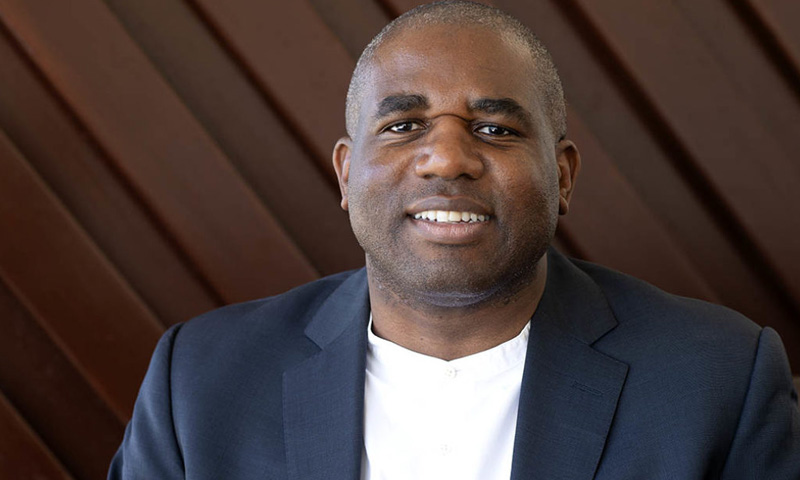
On the eve of the war in Ukraine entering its third year, the United Kingdom is set to announce its most severe sanctions yet against Russia. Foreign Secretary David Lammy confirmed the news on Sunday, stating that the new sanctions package would target the core of Moscow’s military capabilities and financial resources that continue to fuel the war in Ukraine. Lammy described this as the “largest package of sanctions against Russia” since the early days of the conflict, underlining the UK’s firm commitment to undermining Russia’s war efforts.
“The time has come to turn the screws on Putin’s Russia,” Lammy said in his statement, stressing that these measures aim to erode Russia’s military machinery and diminish revenues that support its continued aggression in Ukraine. This move comes as the international community grapples with ways to exert pressure on Moscow to end the war, which has caused immense suffering and disruption in Ukraine.
Sanctions Target Key Russian Sectors
The UK’s decision to ramp up sanctions comes after a series of punitive measures have already been imposed on Russia, with over 1,900 individuals and organizations linked to Putin’s government sanctioned as of January 2025. These sanctions have targeted critical sectors, including finance, aviation, military, and energy, with measures such as asset freezes, travel bans, and trade restrictions.
The latest sanctions package, which Lammy is expected to unveil on Monday, is seen as a more aggressive approach, aiming to cripple Russia’s economy and disrupt its war capabilities. This includes further financial sanctions, as well as potential restrictions on sectors like metals and energy, following similar moves by the European Union. Last week, EU countries agreed to impose a ban on Russian aluminium imports, which is set to be formally adopted alongside the UK’s sanctions.
The UK’s Continued Military and Diplomatic Support for Ukraine
Alongside the sanctions, Lammy reiterated the UK’s unwavering military support for Ukraine. The UK has committed to providing £3 billion ($3.78 billion) annually in aid to Kyiv, strengthening Ukraine’s defenses against Russian advances. Additionally, the UK remains prepared to offer troops for peacekeeping efforts should they be required in the future.
Trump Fires Top Military Leaders in Unprecedented Shake-Up of Pentagon Leadership
“Off the battlefield, we will work with the US and European partners to achieve a sustainable, just peace,” Lammy said, emphasizing that any negotiations on the conflict’s future must include Ukraine’s voice. This message reflects the UK’s firm stance that there can be no peace deal involving Ukraine without its direct involvement and consent.
Keir Starmer’s Efforts to Bridge US and European Positions
The UK’s leadership in the Ukraine conflict is not limited to sanctions and military aid. On Saturday, Prime Minister Keir Starmer engaged in phone calls with European Commission President Ursula von der Leyen and Ukrainian President Volodymyr Zelensky to reaffirm the UK’s commitment to Ukraine’s sovereignty and territorial integrity. Starmer also voiced the importance of continued European unity and resolve in the face of Russia’s aggression.
Starmer is scheduled to meet with US President Donald Trump on Thursday in Washington. This meeting will be critical, as Starmer hopes to act as a “bridge” between the US and Europe to ensure that any potential peace agreement respects Ukraine’s territorial and security needs.
However, the task is becoming increasingly difficult. Tensions have risen following a public spat between Ukrainian President Zelensky and Trump, who recently referred to Zelensky as a “dictator” and expressed support for “good talks” with Russia. Trump’s statements and his criticism of European leaders such as Starmer and French President Emmanuel Macron, who he claimed had done nothing to end the war, have raised concerns in European capitals.
Concerns Over a Potential Bad Deal for Ukraine
There is growing fear in European nations that Ukraine could be forced into an unfavorable settlement if Washington’s position diverges from that of its European allies. A “bad deal” could embolden Putin, leaving Europe vulnerable to Russia’s growing influence and power. The EU’s recent sanctions, including the ban on Russian aluminium imports, are part of the broader strategy to maintain pressure on Moscow, but concerns about the trajectory of peace talks with Russia remain high.
European countries are acutely aware that any compromise that weakens Ukraine’s sovereignty could be seen as a victory for Putin, with significant consequences for the security of the continent. As such, the stakes are high in the ongoing diplomatic efforts to support Ukraine while navigating the complex international dynamics surrounding the war.
