
Table of Contents
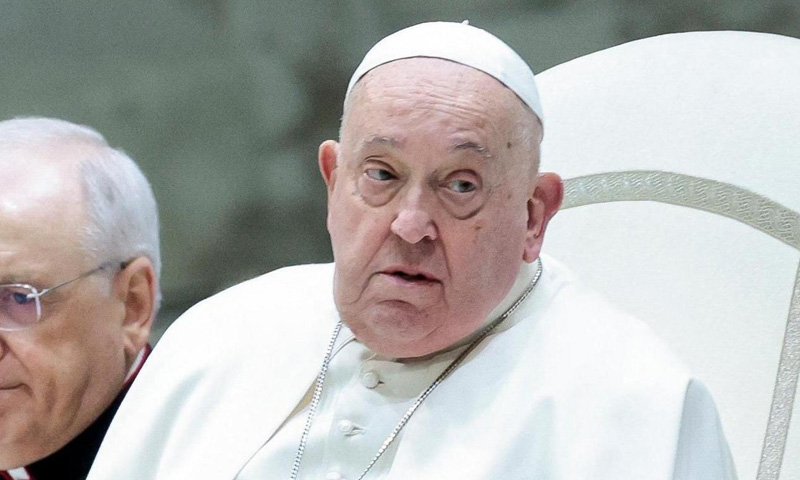
Pope Francis’s health has become a matter of concern for millions of Catholics worldwide as the Vatican provided an update on his condition on Sunday. The 88-year-old pontiff, who has been the head of the Catholic Church since 2013, was initially admitted to Rome’s Gemelli hospital on February 14 due to bronchitis. However, the situation worsened, and the pope developed double pneumonia, which has put his life at risk. The Vatican had previously reported that he was in a “critical” condition after suffering a prolonged respiratory attack on Saturday, requiring blood transfusions.
As the world waited for updates, the Vatican’s statement on Sunday morning, February 23, was brief but reassuring: “The night passed peacefully, the pope rested.” This provided a momentary sense of relief to the faithful. However, the situation is still precarious, and prayers for his recovery have intensified across the globe.
Medical Details: Respiratory Crisis and Blood Transfusions
On Saturday, February 22, the Vatican had shared more troubling details about the pope’s health. According to the statement, Pope Francis had experienced a prolonged asthmatic respiratory crisis, which required high-flow oxygen therapy. This attack led to increased distress for the pontiff, who, despite his suffering, was reportedly alert and even sat in a chair for most of the day.
In addition to his respiratory difficulties, doctors noted that Pope Francis was also dealing with thrombocytopenia, a condition where the platelet count in the blood is too low. This can result in bleeding complications and requires the administration of blood transfusions to stabilize the pope’s health. Thrombocytopenia, along with his anemia, prompted the medical team to provide necessary interventions, including multiple blood transfusions.
This news led to widespread concern, with medical experts expressing that these conditions are serious and could complicate the pope’s recovery. Thrombocytopenia, in particular, is a condition that can be life-threatening if not carefully managed, particularly in someone of the pope’s age.
Pope’s Deteriorating Health: Experts Raise Concerns
The situation surrounding Pope Francis’s health has been described as increasingly worrisome. Leading Italian virologist Fabrizio Pregliasco emphasized that the next few days are critical for the pontiff’s recovery. “The situation is becoming more worrying,” Pregliasco told La Stampa daily. His comments reflect the medical uncertainty that surrounds the pope’s condition and the fragile nature of his health at this moment.
Inglis’ Brilliant Ton Guides Australia to Thrilling Victory Over England in ICC Champions Trophy
Reports have described Sunday, February 23, as potentially one of the most difficult days for the Vatican in recent memory. Major Italian newspapers, including Corriere della Sera, covered the pope’s deteriorating health, referring to it as the “darkest day” at the Vatican in recent times.
The Vatican’s medical team has been closely monitoring the pope’s condition, and as of now, his prognosis remains uncertain. His ongoing health struggles, including the combined effects of pneumonia, respiratory distress, and thrombocytopenia, have created a precarious medical situation. Despite these issues, the Vatican emphasized that the pope is still conscious, engaged, and receiving the necessary treatments.
Pope Francis Resting, but Missing Key Ceremonies
Despite being critically ill, Pope Francis has managed to stay alert and involved in his duties in a limited capacity. On Sunday, the Vatican confirmed that the pontiff would not deliver his traditional weekly Angelus prayer from the balcony of the Gemelli hospital. This is a customary event in which the pope addresses the faithful gathered in St. Peter’s Square and gives a blessing. Instead, the text of the prayer was published, and a senior prelate led the prayer in the pope’s stead.
Pope Francis’s absence was also felt in other religious ceremonies. The cardinal vicar of Rome, Rino Fisichella, delivered the homily at St. Peter’s Basilica during Sunday morning mass, emphasizing the pope’s spirit and calling for prayers in his moment of trial. “Even though he is in a hospital bed, we feel him close to us,” Fisichella said, reminding the congregation of the pope’s enduring presence and leadership.
In addition, the Cardinal Vicar of Rome, Baldo Reina, called for a special mass at St. John Lateran in the evening, urging all believers to join in prayer for the pope’s strength and recovery. Reina’s message highlighted the importance of spiritual unity and support during this challenging period.
The Faithful’s Response: Prayers and Solidarity
The news of Pope Francis’s critical condition has deeply affected Catholic communities worldwide. Many are turning to prayer, asking for divine intervention to aid in the pope’s healing process. The faithful are also coming together in solidarity, recognizing the difficult burden that both Pope Francis and the Vatican are facing.
Catholics around the world have expressed their concerns through social media, messages of support, and prayers. Some have even launched online prayer chains dedicated to the pope’s recovery. Religious leaders across different countries have also spoken out, urging their congregations to offer prayers for Pope Francis’s health.
The pope’s leadership and pastoral guidance have been a source of comfort for millions, and his potential absence in the coming days would leave a significant gap in the global Catholic community. However, his enduring spirit, even in his weakened state, continues to inspire many.
