
Table of Contents
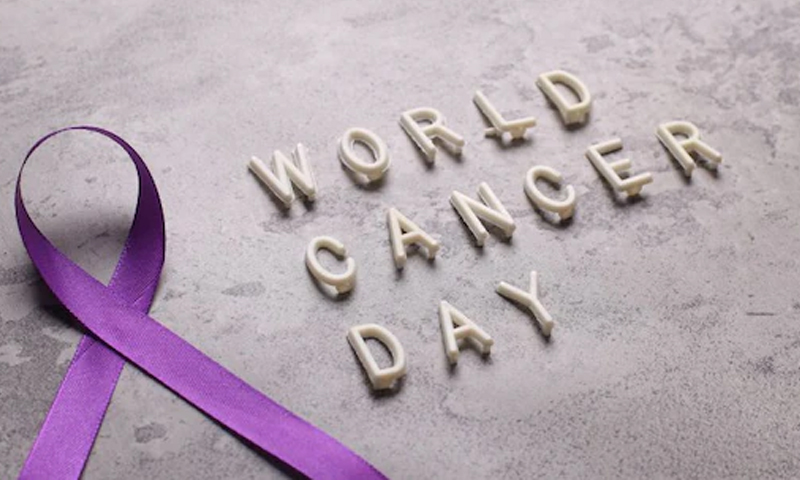
World Cancer Day 2025, observed on February 4, brings attention to the global fight against cancer and emphasizes the significance of personalized, patient-centred care. This year’s theme, “United by Unique,” encourages a more individualized approach to cancer treatment, recognizing that each patient’s journey is different and requires specific care to optimize their health and well-being.
Cancer continues to be a leading global health challenge, with the World Health Organization (WHO) estimating that 10 million people lost their lives to cancer in 2022 alone. The ongoing prevalence of non-communicable diseases (NCDs) like cancer makes it crucial for countries and healthcare systems worldwide to prioritize prevention, early detection, and effective treatments.
Cancer Statistics and the Need for Personalised Care
Globally, lung, prostate, colorectal, stomach, and liver cancers are the most common among men, while breast, colorectal, lung, cervical, and thyroid cancers are the leading types for women. With these statistics in mind, World Cancer Day aims to raise awareness not just about the prevalence of the disease but also the importance of early interventions and customized care solutions.
In 2025, the Union for International Cancer Control (UICC), which leads World Cancer Day, is focusing on encouraging healthcare providers, policymakers, and the public to recognize the significance of tailoring cancer care to meet the unique needs of each patient. By embracing personalized treatment plans, cancer care can become more effective, improving outcomes for individuals worldwide.
A Three-Year Campaign: Fostering Empathy and Inclusivity
The theme “United by Unique” is part of a three-year campaign running from 2025 to 2027, which aims to bring attention to the personal journeys of cancer patients, survivors, and caregivers. This long-term initiative focuses on fostering empathy and understanding, advocating for treatment approaches that reflect the diverse needs of individuals facing cancer.
The campaign also highlights the vital role of caregivers, whose support is crucial to patients’ emotional and physical well-being throughout the treatment process. By recognizing the contributions of caregivers and the unique experiences of patients, the initiative aims to make cancer care more inclusive, compassionate, and comprehensive.
The History of World Cancer Day
World Cancer Day was first introduced on February 4, 1999, at the World Summit Against Cancer in Paris. Since then, it has evolved into a global observance aimed at addressing cancer-related issues and encouraging international collaboration in the fight against the disease. In February 2000, the Charter of Paris Against Cancer was signed at the World Summit Against Cancer for the New Millennium, officially establishing World Cancer Day.
The charter outlined several key points about global collaboration, including the need for continued research, improved cancer care, and greater access to treatment, especially in low-resource settings. By signing this charter, nations acknowledged the urgency of addressing cancer as a critical public health challenge, uniting under a common goal to reduce cancer incidence and improve outcomes worldwide.
The Global Impact of World Cancer Day
As the world continues to grapple with the growing burden of cancer, World Cancer Day serves as an essential platform for raising awareness, sharing knowledge, and advocating for better resources in cancer treatment. With the 2025 theme emphasizing personalized care, there is a renewed focus on the need for more individualized treatment approaches. The campaign highlights how patient-centered care can make a tangible difference in the lives of those affected by cancer.
Looking ahead, the three-year focus on “United by Unique” will guide future efforts to develop more inclusive and effective cancer care models, ensuring that every person diagnosed with cancer receives the best possible care tailored to their specific needs. By uniting under this theme, the global community is sending a clear message: the fight against cancer is personal, and it is through this personalized approach that the world will make the most progress in reducing the cancer burden and improving patient outcomes.
