
Table of Contents
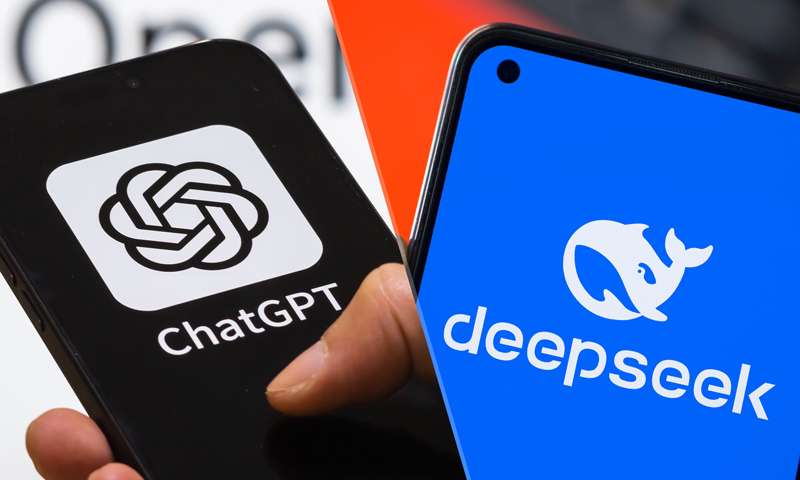
In a significant move to protect government data, India’s finance ministry has issued an advisory to its employees, instructing them to avoid using artificial intelligence (AI) tools such as ChatGPT and DeepSeek for official purposes. The decision, outlined in an internal department memo dated January 29, highlights the potential risks posed to the confidentiality of government documents and data when AI tools are used on government devices.
The advisory states that AI applications like ChatGPT, developed by OpenAI, and DeepSeek, a tool developed by a Chinese startup, have been deemed a security threat to official government information. These tools are known for processing and generating text-based content, which could, if improperly managed, lead to the inadvertent sharing or misuse of sensitive government data.
Global Trends: Other Countries Follow Suit with AI Tool Restrictions
India’s move comes amid growing global concerns about the use of AI in government and corporate environments. Countries such as Australia and Italy have recently banned the use of DeepSeek, citing similar data security risks. Australia, in particular, has taken a firm stance against the AI tool, with the country’s Department of Home Affairs issuing a mandatory directive to prevent the installation and use of DeepSeek on government systems. The Australian government has expressed that the AI tool posed an “unacceptable risk” to national security and technological infrastructure.
Italy also joined the ranks of countries that have restricted DeepSeek, underscoring the growing global concerns about the potential vulnerabilities posed by these AI technologies. The rise of DeepSeek, which reportedly costs significantly less to run than rival AI models, has prompted questions about the security of sensitive data processed by these applications.
Why AI Tools Are Under Scrutiny: Data Privacy and National Security Concerns
The core concern behind these restrictions lies in the potential threat that AI tools pose to data security and privacy. When government employees use AI applications, especially on official devices, there is always a risk that the information being processed could be accessed, stored, or transmitted outside secure government networks. Such exposure could lead to the leakage of sensitive national security information, governmental operations, or classified documents.
This concern is compounded by the fact that AI tools like DeepSeek and ChatGPT rely on vast amounts of data for training, and sometimes, users’ interactions with these tools are stored and used to improve the algorithms. Governments worldwide have raised alarms about the possibility that data shared with AI services could be compromised, especially when the service providers operate outside their jurisdiction.
OpenAI’s Challenges in India and Global Backlash Against Chinese AI Firms
India’s decision to limit the use of AI tools follows growing scrutiny of OpenAI, the parent company of ChatGPT. The company is already embroiled in a high-profile copyright dispute in India with some of the country’s largest media houses. OpenAI has argued in court filings that its servers are located outside India, which should prevent Indian courts from hearing the matter.
Moreover, the debate surrounding AI tool security is also part of a broader global trend, particularly regarding AI products developed by companies in China. The growing geopolitical tensions have led several countries, including Australia, to view AI companies such as DeepSeek with suspicion, given concerns over the potential for Chinese state influence over these firms. In response, Australia has enacted a ban on DeepSeek, with officials stating that the tool presents a serious security threat to Australian technology systems.
Taiwan and Other Countries Take Similar Action Against DeepSeek
Taiwan has recently joined the ranks of countries taking action against DeepSeek. Earlier this week, Taiwan imposed a ban on government departments from using DeepSeek, citing national security concerns and the potential risks posed by unregulated Chinese AI products. This move follows similar restrictions placed on the use of DeepSeek by other European nations.
The global backlash against DeepSeek and other AI tools has raised important questions about how countries should regulate emerging technologies that may have far-reaching implications for national security, privacy, and data sovereignty. As governments around the world navigate these challenges, the debate over AI regulation will only intensify.
India’s Role in Shaping Global AI Regulation
The Indian government’s decision to restrict AI tools like ChatGPT and DeepSeek is part of a larger conversation on the regulation of artificial intelligence. With technological advancements moving at a rapid pace, countries are grappling with how to ensure the responsible use of AI while safeguarding sensitive data. As a growing economic and technological powerhouse, India’s actions will likely influence how other nations approach AI regulations, particularly in the context of national security and data privacy.
India’s finance ministry’s ban underscores the need for robust data protection protocols in an age where AI is becoming an integral part of everyday business and governmental functions. As the use of AI tools continues to grow globally, it will be important for countries to strike a balance between innovation and safeguarding their citizens’ data and security.
