
Table of Contents
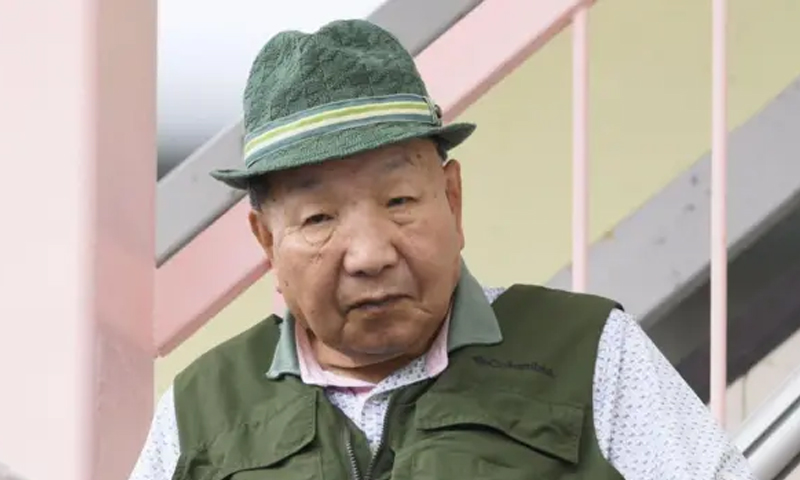
Iwao Hakamada, now 89 years old, has become a symbol of both the cruelty and the complexity of the Japanese justice system. For more than four decades, Hakamada languished on death row after being wrongfully convicted of a quadruple murder that occurred in 1966. His case, which became one of Japan’s most notorious miscarriages of justice, attracted significant attention globally, especially due to the inhumane conditions he faced and the constant threat of execution looming over his life.
In March 2025, Hakamada was awarded a significant compensation of 217,362,500 yen (around $1.4 million) by the Shizuoka District Court for the wrongful conviction that kept him in detention for over 45 years. This payout is notable, both in terms of its amount and its symbolism, representing 12,500 yen ($83) for every single day Hakamada spent in captivity. Although historic, his legal team has made it clear that no amount of money can truly compensate for the mental and emotional toll that Hakamada suffered throughout his ordeal.
The Crime He Didn’t Commit
In 1966, a horrific crime took place in Shizuoka, Japan, where a family of four was brutally murdered. The evidence against Iwao Hakamada seemed to point to him, leading to his arrest and eventual conviction. At the time, Hakamada, who was a former boxer, was coerced into a confession under duress. His confession, which he later retracted, was the central piece of evidence used to convict him. Despite claiming his innocence, he was sentenced to death, and for the following decades, Hakamada remained on death row, living under the constant threat of execution.
Hakamada’s case became one of the most egregious examples of wrongful conviction in Japan. The justice system relied on a confession that had been extracted through intense and often brutal interrogation methods. Hakamada’s legal team would later argue that police had tampered with evidence to ensure a conviction, further undermining the legitimacy of the trial and Hakamada’s conviction.
A Long-Fought Legal Battle
What followed was a legal battle that lasted for decades. The tireless efforts of Hakamada’s sister, who never gave up on her brother’s innocence, played a crucial role in bringing the case back into the spotlight. Over the years, new evidence was brought to light, which cast doubt on the legitimacy of Hakamada’s conviction. In 2014, after a retrial was requested, the case took a pivotal turn.
After years of back-and-forth in the courts, in 2023, Hakamada was finally exonerated in a retrial, marking the end of a long and painful journey. The court ruled that the evidence used to convict him was fabricated, and that Hakamada had been subjected to brutal, inhumane treatment during his interrogation. It was a monumental victory for justice, not only for Hakamada but also for the broader issue of wrongful convictions in Japan.
A Historic Payout But Incomplete Justice
The decision to award Hakamada the substantial sum of 217,362,500 yen was handed down on Monday by the Shizuoka District Court, which recognized the extreme suffering Hakamada endured. This amount, the highest of its kind in Japan, reflects the severity of the injustice he faced. The payout, however, is unlikely to fully compensate for the psychological trauma that Hakamada has endured over the decades.
Hakamada’s legal team, while acknowledging the compensation, expressed that no amount of money could undo the damage done to his mental health. During his time on death row, Hakamada was subjected to solitary confinement, long periods of isolation, and the constant stress of never knowing whether each day would be his last. His lawyers have described him as “living in a world of fantasy” due to the psychological toll of his wrongful conviction and the fear of impending execution.
Indian Tech Mahindra Executive Detained in Qatar Without Charges
Despite his exoneration and the compensation, Hakamada’s case highlights deep flaws within the criminal justice system in Japan. The fact that he was subjected to forced confessions, evidence tampering, and years of suffering without the possibility of hope is a powerful reminder of the potential consequences of a flawed legal system.
The Need for Reform
Hakamada’s exoneration is not the only case where Japan’s criminal justice system has been found wanting. His case follows a history of wrongful convictions that were only reversed after years of legal efforts. Hakamada was the fifth death row inmate in Japan’s post-war history to be granted a retrial, and like the four before him, the retrial ended in exoneration. These cases have spurred a growing call for reform in the Japanese justice system, particularly in how confessions are obtained and how evidence is handled.
In the past, Japan’s reliance on confessions as the central pillar of its criminal justice system has led to significant miscarriages of justice. Hakamada’s case, along with others, has raised awareness about the need for changes to ensure that future wrongfully convicted individuals do not suffer the same fate.
