
Table of Contents
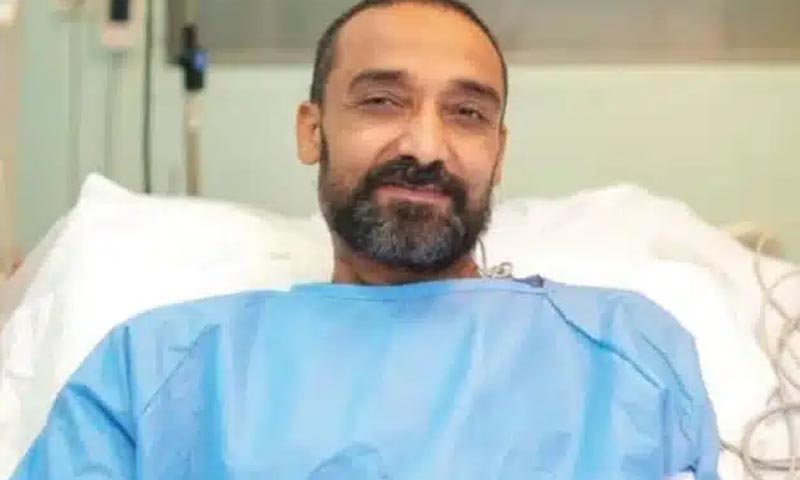
A 42-year-old Pakistani man is being hailed as a miraculous survivor after enduring five heart attacks during this year’s Hajj pilgrimage. The pilgrim’s life was saved through rapid emergency intervention, advanced medical procedures, and the dedicated efforts of the Saudi healthcare system.
Hajj 2025 Marked by Harsh Conditions and Health Risks
This year’s Hajj, performed under scorching temperatures surpassing 45°C (113°F), posed serious challenges for millions of pilgrims. The extreme heat and physical exertion led to numerous health emergencies, including dehydration, heatstroke, and cardiac events. Tragically, some pilgrims lost their lives due to weather-related complications.
Among the most critical cases was that of the Pakistani pilgrim, who experienced multiple cardiac arrests while performing rituals at Arafat.
Rushed to East Arafat Hospital in Critical Condition
According to the Associated Press of Pakistan (APP), the man collapsed and was swiftly transported by emergency responders to East Arafat Hospital. Upon arrival, he was found to be in critical condition with signs of severe cardiac distress.
Medical professionals at the hospital managed to stabilize his heartbeat temporarily. However, due to the gravity of his condition, he was placed on a ventilator and prepared for transfer to a specialized cardiac center.
Airlifted to King Abdullah Medical City, Makkah
Recognizing the complexity of his condition, the Saudi authorities airlifted the patient to King Abdullah Medical City in Makkah, one of the leading facilities in the region for cardiovascular treatment.
NADRA Upgrades Non-Chip CNICs Without Fee Increase
There, doctors immediately performed angioplasty, a life-saving procedure to open blocked arteries and restore blood flow. In addition, they implanted an Impella device — a cutting-edge mechanical heart-assist pump — to support his heart’s function during recovery.
Intensive Monitoring and Gradual Recovery
Over the next several days, the patient remained under intensive care and continuous monitoring. Gradually, signs of improvement began to appear. His vital signs stabilized, and his dependence on external support systems reduced.
By June 17, doctors deemed his condition stable enough for discharge. He left the hospital showing clear signs of recovery, marking an extraordinary end to what could have been a fatal series of events.
The Impella Device: A Lifeline in Critical Cases
The Impella device, used in the treatment, is a miniature heart pump often referred to as a “bridge to recovery”. It supports blood flow in patients with severe heart failure or those undergoing high-risk procedures. In this case, it played a crucial role in maintaining circulation while his heart was too weak to function on its own.
Its use in such an emergency situation underscores the high standard of care available in Saudi Arabia’s healthcare system, particularly during the Hajj season.
A Testament to Medical Preparedness During Hajj
Saudi Arabia deploys thousands of medical personnel and emergency services each year to handle the influx of pilgrims and the health emergencies that inevitably arise. Mobile hospitals, clinics near key pilgrimage sites, and air ambulance services are made readily available.
This incident showcases the effectiveness of that preparedness, as well as the international cooperation and compassion that underpin the Hajj experience.
Pilgrim’s Story Resonates Amid Tragedy
While this story ended in survival, it comes against the backdrop of dozens of heat-related deaths and hundreds of hospitalizations during this year’s pilgrimage. For many, it serves as a stark reminder of the physical toll that Hajj can exact, particularly in extreme weather.
At the same time, the survivor’s journey is a story of resilience, hope, and the power of timely medical intervention.
