
Table of Contents
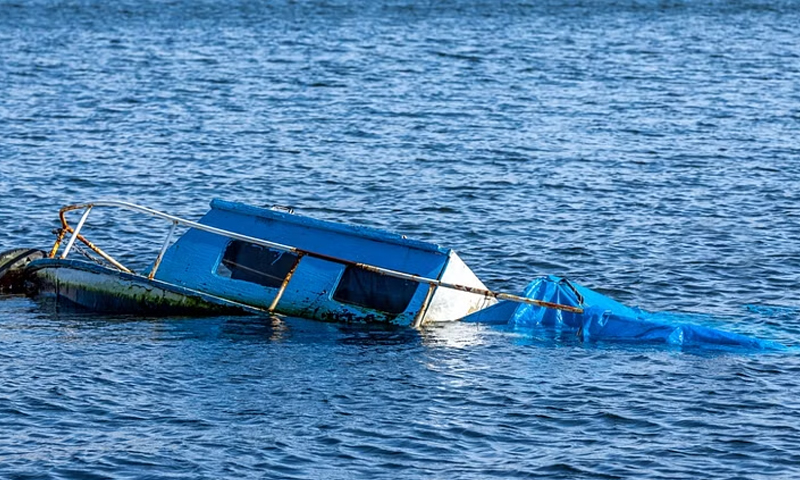
In a devastating maritime disaster, at least 50 migrants are feared to have drowned while attempting to make the perilous journey from West Africa to Spain. The boat, which left Mauritania on January 2 with 86 passengers, including 66 Pakistanis, faced disaster as it became stranded in the Atlantic Ocean. Despite multiple warnings from humanitarian organizations, no rescue operation was initiated until it was too late. This incident further highlights the ongoing humanitarian crisis faced by migrants attempting to reach Europe through one of the most dangerous migration routes in the world.
The Journey and the Tragedy: What Happened to the Boat?
According to reports from the migrant rights organization Walking Borders, the boat was originally carrying a group of 86 people, most of whom were Pakistanis. The migrants set off from Mauritania on January 2, seeking to reach the Canary Islands in Spain. The journey, notorious for its risks, proved disastrous as the boat’s engine malfunctioned and it was left adrift in the ocean. The traffickers, who had organized the crossing, reportedly anchored the boat and began demanding more money from the migrants for their release.
The situation quickly became dire. The boat remained stranded in the Atlantic for several days, with the migrants enduring extreme conditions, including a lack of food, water, and safety. According to reports, the boat was adrift for 13 days before any rescue attempts were made. During this time, many of the passengers suffered from dehydration, exposure, and, tragically, some are believed to have drowned.
Humanitarian Efforts and Government Response
Walking Borders, based in Madrid and Navarra, raised the alarm about the missing boat six days before Moroccan authorities rescued 36 survivors on January 14. Alarm Phone, a non-governmental organization that provides emergency services for migrants at sea, had also alerted Spain’s maritime rescue service on January 12 about the missing vessel. However, the Spanish authorities initially claimed they had no information on the boat’s whereabouts, which sparked outrage among human rights groups.
The delay in rescuing the boat underscores the difficulty and sometimes the lack of urgency in coordinating rescue operations for migrants in distress in the Mediterranean and Atlantic routes. In the case of this incident, the failure to respond in a timely manner led to the loss of many lives. Walking Borders has condemned the European authorities’ lack of action, emphasizing that more needs to be done to protect migrants in the region.
The Death Toll: A Growing Humanitarian Crisis
Helena Maleno, CEO of Walking Borders, has confirmed that 44 of the deceased migrants were from Pakistan. The grim toll paints a tragic picture of the risks faced by migrants traveling across the Atlantic from West Africa, particularly from countries like Mauritania, Senegal, and others. According to Walking Borders, this disaster is just one of many that have occurred in recent years. The NGO reported that in 2024 alone, 10,457 migrants died attempting to reach Spain. On average, this amounts to 30 migrant deaths every day in the pursuit of a safer life in Europe.
The Canary Islands, a popular destination for migrants attempting to reach Spain, have become a central point in Europe’s ongoing immigration crisis. The Atlantic Ocean, often referred to as “the graveyard of Africa,” has claimed thousands of lives, yet migration across the sea continues. While rescue services and humanitarian organizations continue to push for stronger action and better coordination, the lack of effective solutions to prevent such tragedies remains a major concern.
Calls for Urgent Action from Spain and Europe
Following the tragedy, several political figures and humanitarian groups have expressed their outrage and sorrow. Fernando Clavijo, the regional leader of the Canary Islands, voiced his condolences for the victims, calling on Spain and Europe to take immediate action to prevent future tragedies. He stated that “The Atlantic cannot continue to be the graveyard of Africa” and that governments must not turn their backs on the humanitarian crisis unfolding in the region.
The case has sparked renewed calls for greater solidarity and action from European nations to address the root causes of migration and ensure the safety of those attempting to reach Europe. Many human rights groups argue that the international community must do more to provide safe routes for migrants and to support countries of origin and transit with better migration management.
The Path Forward: Addressing the Crisis
The tragedy in the Atlantic Ocean serves as a stark reminder of the dangers faced by migrants and the ongoing failure of rescue operations in critical moments. Humanitarian organizations like Walking Borders continue to call for more coordinated and urgent responses to distress calls at sea, while also advocating for legal pathways for migration to prevent people from resorting to dangerous and exploitative routes.
As Spain and other European countries grapple with the challenges of migration, the death toll continues to rise. The international community must confront the root causes of such desperate migration attempts—poverty, conflict, and lack of opportunities in migrants’ home countries. Only through comprehensive and compassionate solutions can further loss of life be prevented.
