
Table of Contents
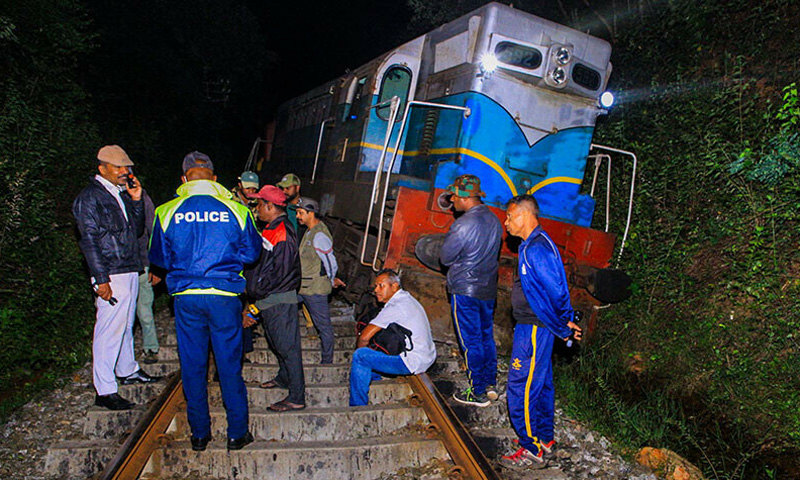
In one of Sri Lanka’s worst wildlife accidents, a passenger train derailed Thursday morning after colliding with a family of elephants near the Habarana wildlife reserve, approximately 180 kilometers east of the capital, Colombo. The crash tragically resulted in the deaths of six elephants, but miraculously, no passengers were injured. The train had been traveling through an area known for its proximity to wildlife reserves, where elephants are known to frequently cross railway lines in search of food and water.
Wildlife authorities were quick to arrive at the scene, where two elephants were found alive but injured. They are now receiving treatment for their injuries. Heart-wrenching footage from the scene showed one of the surviving elephants standing protectively over an injured calf, their trunks intertwined as a sign of deep concern and affection.
Growing Conflict Between Humans and Elephants
Sri Lanka is home to approximately 7,000 wild elephants, an important part of the island’s natural heritage and Buddhist culture, where the species is considered a national treasure. As a result, harming or killing elephants is a criminal offense. However, the tragic accident has cast a spotlight on the growing conflict between humans and elephants, particularly in areas where human settlements and agricultural activities encroach upon the animals’ natural habitats.
The collision follows a similar tragedy in September 2018, when a train struck and killed two baby elephants and their pregnant mother in the same region. In response, authorities implemented new speed restrictions for trains traveling through areas known to have elephant crossings. Despite these precautions, accidents like Thursday’s continue to occur, highlighting the challenge of balancing infrastructure development with the need to protect wildlife.
Zelensky Responds to Trump’s Comments, Accuses Him of Falling into Russian Disinformation
The Rising Toll of Human-Elephant Conflict
The collision also comes amid rising concern over the escalating conflict between farmers and elephants, particularly in rural areas. As Sri Lanka’s elephant habitats continue to shrink due to deforestation and agricultural expansion, the animals are increasingly straying into human settlements in search of food. This has led to frequent confrontations, with elephants raiding crops and farmers retaliating in an effort to protect their livelihoods.
In 2023, the country saw a troubling increase in casualties related to human-elephant conflict, with 150 people and 450 elephants killed in clashes. These figures represent a significant rise compared to the previous year, when 145 people and 433 elephants lost their lives. The escalating violence is deeply concerning, as it suggests that the current measures to mitigate human-elephant conflicts are not proving sufficient.
Government Plans to Address Human-Elephant Conflict
Deputy Minister of Environment Anton Jayakody has expressed confidence that the government will find solutions to mitigate the growing tensions between humans and elephants. He highlighted plans to introduce a variety of deterrents, including electric fences, trenches, and other barriers, to prevent wild elephants from straying into populated areas. These measures are aimed at reducing the frequency of such accidents and protecting both human and animal lives.
While these efforts represent a step toward addressing the issue, experts agree that more comprehensive and sustainable solutions are necessary to protect Sri Lanka’s elephant population and reduce the harm caused by human encroachment on their habitats. The country’s conservationists and authorities will need to carefully balance the needs of growing human populations with the preservation of these iconic animals that are vital to the nation’s ecological and cultural heritage.
