
Table of Contents
Fresh Hostilities Erupt as Diplomatic Efforts Stall
The United States and Saudi Arabia carried out a joint military strike against Iran-aligned armed factions in Iraq on Wednesday, marking Washington’s first military action in the Middle East since President Donald Trump halted a bombing campaign against Iran the previous week.
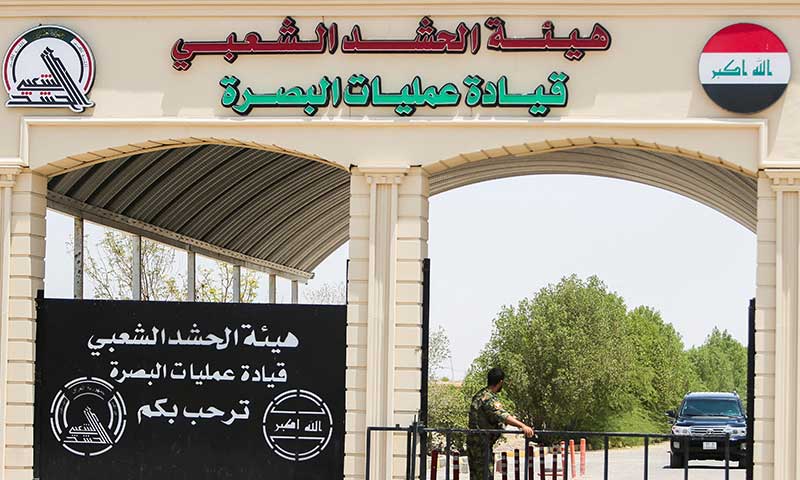
The strikes, conducted in coordination with Riyadh, were in response to earlier drone attacks on Saudi oil facilities that had been launched from Iraqi territory, according to US and Saudi officials. Iraq’s Popular Mobilisation Forces reported that at least 20 members were killed and 32 wounded in the attacks targeting several bases across Iraq.
The joint action marked the first time during the war that Saudi Arabia publicly declared its participation in joint strikes alongside the United States, potentially widening the conflict by drawing Sunni Muslim Saudi Arabia into combat against Shi’ite proxies of Iran on a new front.
Iran Rejects Omani Strait of Hormuz Proposal
Hours before the joint attacks, Iran formally turned down an Omani-brokered plan for joint regional oversight of the Strait of Hormuz. A senior Iranian official told Reuters that Tehran rejected the proposal as “unreasonable,” stating that a 50-50 joint control arrangement with Oman would not serve Iran’s interests.
The Omani proposal, backed by Gulf states, would have allowed for voluntary shipping fees modeled after the Strait of Malacca. However, Iran insists on sole control over the inbound route and partial control over the outbound route.
The Islamic Revolutionary Guard Corps confirmed it had fired at vessels passing through the strait along an unauthorised route and struck American military installations in Jordan.
Pakistan Intensifies Mediation Efforts
Meanwhile, Pakistan has intensified its diplomatic efforts to de-escalate the crisis, with the Foreign Office stating it is doing its “utmost” to bring the United States and Iran back to the negotiating table under the Islamabad Memorandum of Understanding.
Foreign Office spokesperson Tahir Hussain Andrabi said on Thursday that negotiations between the parties are ongoing to normalise the situation, particularly in the Strait of Hormuz, and that dialogue and diplomacy remain the “only viable path forward”.
“We are doing our utmost to bring all parties back to the Islamabad MoU,” Andrabi stated, urging Washington and Tehran to exercise maximum restraint and fully adhere to their commitments to resume technical-level talks.
Oil Prices Surge Amid Renewed Fighting
The fresh outbreak of hostilities, combined with the collapse of diplomatic efforts, sent oil prices climbing for the first time in over a week, with Brent crude futures rising 4.6% to nearly $88 per barrel.
The price had briefly spiked above $100 last week before tumbling into the mid-80s after Trump called off the bombing campaign. The renewed fighting signals that the conflict, which began in February, shows no sign of winding down soon.
Security Situation in Pakistan
In a separate development, at least nine police officers were killed and 28 others wounded when gunmen attacked a security checkpoint in Hangu district, Khyber Pakhtunkhwa province. Police reported killing 15 militants during the response, and a clearance operation is continuing in the area.
