
Table of Contents
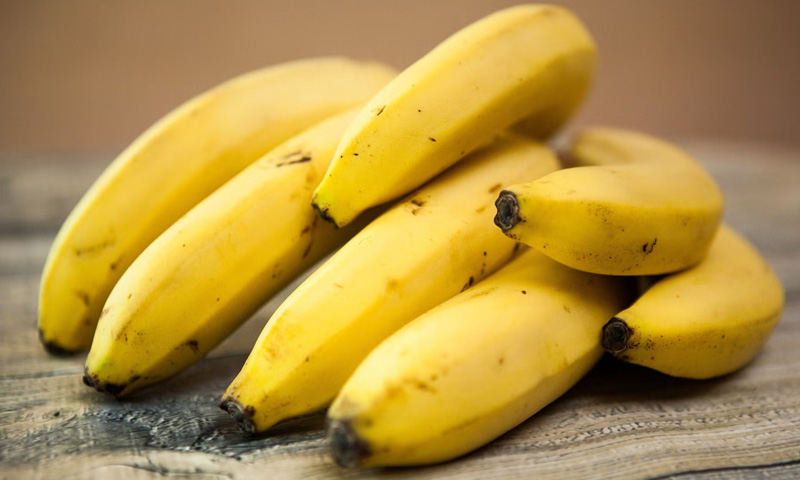
April 2025 – Waterloo, Canada – While cutting back on salt has long been the gold standard for managing high blood pressure, a new study suggests that eating more potassium-rich foods like bananas may actually have a stronger impact on lowering it.
Published in the American Journal of Physiology-Renal Physiology, the research introduces a mathematical model that evaluates how the balance between potassium and sodium affects blood pressure—and challenges long-held assumptions in hypertension management.
“Usually, when we have high blood pressure, we are advised to eat less salt,” said Dr. Anita Layton, one of the study’s lead authors from the University of Waterloo. “Our research suggests that adding more potassium-rich foods to your diet such as bananas or broccoli might have a greater positive impact on your blood pressure than just cutting sodium.”
The Electrolyte Equation: Why Potassium Matters
Both sodium and potassium are vital electrolytes. While sodium has a tendency to increase blood pressure by causing the body to retain water, potassium helps relax blood vessels, offsetting sodium’s effects.
Intensive Blood Pressure Treatment Linked to Reduced Dementia Risk, Study Finds
The study found that increasing the potassium-to-sodium intake ratio was more effective in lowering blood pressure than focusing on sodium reduction alone. This approach could offer a more balanced and natural strategy to manage hypertension.
“Although the relationship between excessive dietary sodium intake and elevated blood pressure is well-accepted among the public, the benefits of higher potassium intake have historically received less attention,” the authors noted.
Sex-Specific Insights: Men May Benefit More
The research also incorporated sex-specific modeling, revealing that:
- Men tend to develop high blood pressure more easily than premenopausal women.
- Men also respond more strongly to an increased potassium-to-sodium ratio.
These differences, the researchers say, could help personalize dietary recommendations and better target interventions based on sex and hormonal status.
How the Study Was Done
The researchers developed a whole-body simulation model, accounting for complex interactions between sodium, potassium, fluid balance, and kidney function. This allowed them to test various dietary scenarios ethically and efficiently, without relying solely on long-term human trials.
“Early humans ate lots of fruits and vegetables,” said co-author Melissa Stadt. “As a result, our body’s regulatory systems may have evolved to work best with a high-potassium, low-sodium diet.”
Takeaway: Rethinking the Salt Conversation
This new research suggests that managing high blood pressure shouldn’t just be about what we take away from our diets (like salt), but also what we add—such as potassium-rich foods like:
- Bananas
- Broccoli
- Avocados
- Spinach
- Sweet potatoes
- Beans
Healthcare providers may need to consider this broader approach, focusing not just on sodium reduction but also on achieving a better electrolyte balance.
